
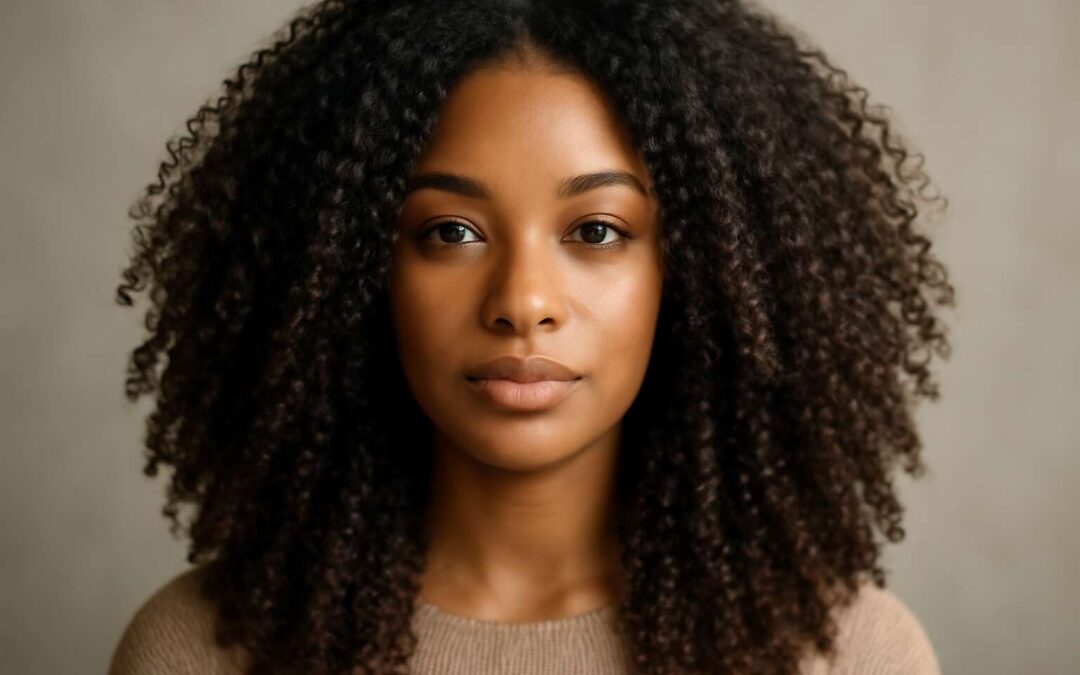
Choosing Extensions for Natural Hair
Assessing natural hair health before installing extensions
Healthy hair is the secret behind seamless extensions. For hair extensions for natural hair to sit effortlessly, begin with a frank health check: moisture, elasticity, and scalp condition shape the final result. In South Africa’s rainbow of textures, a quiet warning lingers: neglect the foundation, and even the finest strands betray you with tangles and shine loss. More than half of extension wearers in South Africa report breakage when the foundation is neglected. A careful appraisal sets the mood for what follows and keeps the look anchored in reality, not fantasy.
- Moisture balance across lengths
- Elasticity and breakage indicators
- Scalp health and buildup
With a foundation this solid, choosing hair extensions for natural hair becomes less about trend and more about longevity. The aim is harmony in texture, weight, and care that lasts beyond the first wash.
Which extension types suit fine vs thick natural hair
Choosing extensions for natural hair means balancing weight, blend, and how styles hold up in SA heat. For hair extensions for natural hair, it’s essential to match texture and weight to your routine. Fine-textured hair benefits from lighter, lay-flat options that hug the scalp. Thick natural hair can carry heavier methods without bulk, delivering more length and volume in one session. The goal is a seamless look that lasts beyond the first wash.
Options by thickness:
- Fine natural hair: Clip-in extensions — light and reversible.
- Fine natural hair: Tape-in extensions — flush, minimal bulk.
- Thick natural hair: Sew-in or beaded weft extensions — durable.
- Thick natural hair: Fusion keratin bonds — long-lasting blend.
Length, texture, and color matching guidelines
Length, texture, and color are the three notes that keep hair extensions for natural hair from sounding like a showroom demo. In the SA climate, where sunshine behaves like a fashion critic, the goal is a seamless integration that respects your routine. I find length should echo your everyday silhouette—long enough to reveal movement, short enough not to turn every doorway into a wind tunnel. Texture should mirror your own pattern so the blend reads as one story, not two.
- Ensure the overall length harmonizes with your crown and shoulders.
- Match texture to your baseline curl pattern for a natural blend.
- Color should either seamlessly match or offer a flattering, subtle contrast.
With those alignments, the result tends to read as a natural lift rather than a label.
Safety tips to prevent damage during installation
Across South Africa, a bold stat sits quietly in salon chatter: safe installations lead to healthier shine and less breakage. Hair extensions for natural hair should feel like a natural extension of your crown, not a showroom prop. The game is balancing routine, climate, and care.
Before any attachment, seek a conversation with a stylist who reads your curl pattern and scalp like a map. A patch test, quality materials, and breathable bond systems help keep tension low and movement alive without compromising safety.
- Licensed stylist with experience in natural textures and local regulations
- Allergy awareness and a simple patch-test policy as a precaution
- Quality, breathable bonding materials suited to warm SA conditions
Let the dialogue shape the look, so the result reads as a lived moment rather than a label.
Types of Extensions and Application Methods
Clip-in extensions for low-commitment looks
A recent South African salon survey found that 37% of clients reach for clip-in extensions to transform a look in minutes. What a revelation, right? For those seeking hair extensions for natural hair, options that respect texture while offering versatility are a breath of fresh air. The promise is simple: volume and length, without long-term commitment, ideal for low-commitment looks.
Types and application methods converge most cleanly in clip-ins. Here are the options that blend seamlessly with natural textures:
- Classic clip-in wefts for immediate fullness
- Mini clip-ins for discreet placement on fine sections
- Clip-in ponytails to add drama without a full install
Clip-ins shine because they sit lightly on the crown and can be styled with your own hair—pressed flat, twisted, or curled—without damage when removed gently. This makes clip-ins an attractive entry point into hair extensions for natural hair in South Africa, where style and practicality often walk hand in hand.
Sew-in and weave installations: pros and cons
Across South Africa, salons are buzzing about the drama you can pull off with sew-ins and weaves. A recent stat puts clip-ins at 37% for fast transformations, but if you crave longer wear, sew-in and weave installations deliver long-lasting length and natural movement. For hair extensions for natural hair, these methods blend with texture and sit securely until your next refresh.
The pros and cons come down to technique and upkeep. The advantages include lasting wear, less daily manipulation, and a seamless silhouette. The downsides are potential scalp tension, added weight, and the need for skilled removal to avoid damage.
- Long wear and a natural finish
- Minimal daily styling — more time for coffee
- Requires precise installation to protect your scalp
- Regular professional maintenance helps prevent tangling and breakage
Tape-in and micro-link options for natural hair
Trend is a living thing in South Africa’s salons, where flair meets restraint. Clip-ins deliver fast drama, yet for hair extensions for natural hair that move with you, tape-in and micro-link options offer longer wear and a natural fall that feels like your own. They sit flush with the scalp, weaving texture into life with a quiet confidence that invites a second look—and a second day.
- Tape-in: ultra-thin adhesive wefts that lie flush against the scalp, ideal for fine to medium textures and quick refreshes.
- Micro-link: tiny beads crimped to individual strands, offering natural movement and adaptability for thicker natural hair.
They demand a skilled hand to install and regular professional maintenance to preserve shine and minimize tangling. I’ve watched tape-in pieces disappear into a curl pattern, turning morning routines into a moment of quiet confidence.
Fusion and keratin bonds: when they are appropriate
In South Africa’s salons, a well-applied bond can cut the morning battle in half. For hair extensions for natural hair, fusion and keratin bonds deliver longevity and a seamless fall when installed by skilled hands. I’ve seen mornings become lighter—less fiddling, more flow—as the strands move with the rhythm of daily life!
- Fusion bonds fuse with heat and adhesive to seal extensions to the cuticle; best for mid-to thick textures and long wear.
- Keratin bonds use a keratin-based tip crimped to each strand, offering natural movement and quick adjustments.
- Both demand precision during application and professional maintenance to preserve shine and minimize tangling.
With the right touch, the texture breathes with you, not against you.
Maintenance, Care, and Longevity for Natural Hair
Cleansing and moisturizing routines with extensions
Healthy hair is the best accessory, especially under South Africa’s sun and wind. A disciplined cleansing and moisturizing rhythm can turn hair extensions for natural hair into months of glossy movement and quiet confidence. “Healthy hair is the best accessory,” a seasoned stylist likes to murmur, and the truth lands hard when extensions feel like an extension of you rather than a compromise.
Gentle cleansing matters. The choice of sulfate-free cleansers and a light touch around the scalp keeps balance without disturbing bonds. This approach preserves luster and curl integrity for natural hair extensions.
Longevity rests on consistency and respect for the hair’s natural cycle. A gentle balance around bonds and patience for transitions helps a seamless flow between looks. The result is hair that feels alive, resilient, and gracefully cast in sunlight.
Detangling and scalp care under extensions
Maintaining detangling and scalp care pays dividends: studies suggest up to 40% less breakage when kept gentle and consistent. For hair extensions for natural hair, the scalp is the foundation—keep it balanced and thriving! It supports curl integrity and extension bonds alike.
Key maintenance priorities for detangling and scalp care under extensions include:
- Scalp balance and healthy oil production without buildup
- Bonds treated with respect to movement and tension
- Curl preservation and gentle handling to prevent snagging
Longevity comes from steady routines and patience for natural cycles. When detangling and scalp care honor the hair’s rhythm, extensions feel like a lasting part of the story rather than a temporary addition.
Protective styling tips to reduce breakage
Maintaining a healthy base reduces stress on extensions. Studies suggest up to 40% less breakage when detangling and scalp care stay gentle and steady. For hair extensions for natural hair, the scalp is the foundation—keep it balanced and thriving. It supports curl integrity and extension bonds alike. A calm scalp translates to smoother movement and longer wear without tightening or snagging!
Caring for protective styles means listening to the scalp’s signals and honoring the hair’s natural rhythm. When the scalp stays balanced and curls keep their integrity, extensions feel less like a fixture and more like a natural extension of the story in a salon chair or at home.
Longevity arises from steady routines that respect natural cycles. When detangling and scalp care honor the hair’s rhythm, extensions feel like a lasting part of the story—consistent, confident, and ready for the next style in SA climates. I see this with clients who embrace rhythm; extensions stay true when care follows the hair’s tempo.
Removal and transition strategies to minimize damage
A salon poll in South Africa shows up to 40% less breakage when maintenance mirrors the hair’s natural tempo. For hair extensions for natural hair, the scalp is the foundation—balanced, thriving, and quietly heroic in preserving curl integrity and bond cohesion.
Care becomes a philosophy, not a checklist. Hydration, porosity awareness, and gentle handling keep the weave feeling like a natural extension of the story rather than a rigid fixture.
- Rhythm over rigidity: let moisture and scalp signals guide how long a style stays in place
- Balanced hydration to support both scalp comfort and bond integrity
- Flexible styling options that move with curls across SA climates
Longevity rewards patience and mindful transitions. When you transition with care, you minimize strain, preserve texture, and keep the look behaving like a seamless chapter in the salon chair or at home.
Color, Texture, and Customization
Matching curl pattern and texture for a seamless blend
Color and curl alignment is the silent magician—80% of clients notice a seamless blend the moment shade meets texture. I’ve learned that the true alchemy isn’t length but light, wandering along fibers when color and curl pattern sing in harmony.
Texture must echo your natural pattern, for a seam-free silhouette that refuses to be noticed. Customization invites a chorus of options so the fall of each strand mirrors your hair’s rhythm.
- Color depth that matches your base shade
- Curl-pattern compatibility across coils
- Texture finish that mimics natural movement
In the realm of hair extensions for natural hair, this triad—color, texture, customization—breathes life into a seamless blend. In South Africa, the effect can feel like a whispered oath: your hair, entirely you.
Color matching techniques including highlights and balayage
Color depth that matches your base shade is not a guesswork game; it’s a dialogue between shade and light. In South Africa, this matters for every sunlit moment. For hair extensions for natural hair, highlights and balayage let color drift subtly through the weave, avoiding harsh lines and living in harmony with every curl pattern. When shade and texture align, your reflection does the talking.
- Highlights woven through the crown for lift
- Balayage that sweeps into mid-lengths
- Root smudges to soften transitions
Texture and movement are the unsung heroes. Choose a finish that mirrors your natural rhythm—soft bounce for loose coils or defined curl for tighter textures. A precise texture match keeps the silhouette seamless.
Customization invites options, so the fall of each strand mirrors your hair’s rhythm.
- Custom shade blends to suit undertones
- Strategic placement for a natural part
- Targeted density and layering for movement
Customization options: length, density, and cap construction
The sun in South Africa never forgives a blunt line; hair extensions for natural hair should drift with the light—a dialogue between shade and light that keeps pace with every curl.
Texture is the heartbeat of the weave. Choose a finish that mirrors the natural rhythm—soft bounce for loose coils or defined curl for tighter textures. A precise texture match keeps the silhouette seamless.
Customization is the final ritual: length to sculpt proportion, density to harmonize volume with your frame, and cap construction to cradle scalp health and comfort.
- Length options to suit personal silhouette
- Density options to blend with natural fullness
- Cap construction choices for comfort and scalp care
Avoiding common blending mistakes
Color is the loud whisper that sets the stage. For hair extensions for natural hair, undertones must harmonize with your pigment, not imitate it. A color halo in bright SA sunlight betrays a poor blend. Common missteps include undertone clashes, abrupt shadows, and inconsistent shine.
Texture is the heartbeat of the weave. Choose a finish that mirrors your natural rhythm—soft bounce for loose coils or defined curl for tighter textures. A true texture match keeps the silhouette seamless and avoids a visible line along the scalp.
Customization is the final ritual: the fit and proportion that cradle scalp health and balance your silhouette. When color and texture align, the result reads as one, not a patchwork—gliding with the breeze rather than sitting still.
Cost, Longevity, and Buying Guide
Estimating total cost including installation and maintenance
Cost for hair extensions for natural hair varies by method, length, and supplier. A full install in South Africa typically ranges from R1,800 to R4,500, with maintenance around R300 to R900 every 6 to 8 weeks. Expect to budget for color blends and removal too.
Longevity depends on technique and care. Clip-ins offer quick, low-commitment looks lasting weeks; sew-ins and tape-ins stay in place for roughly 6 to 10 weeks with careful cleansing and scalp care. High-quality hair and gentle handling push longevity higher.
Buying guide: plan for the total package—installation and aftercare. Consider reputable suppliers, texture matching, and warranty. A professional install and a sensible maintenance schedule safeguard investment.
- Method and weight to suit lifestyle
- Source quality and track record
- Warranty, returns, and post-install care
- Maintenance schedule and removal options
How long different extension types last and care tips
Cost in South Africa for a professional install can swing from R1,800 to R4,500, with maintenance typically R300 to R900 every 6 to 8 weeks. Budget for color blends and removal, because every shade and transition adds up in hair extensions for natural hair.
Longevity varies by technique and care. Clip-ins offer quick, low-commitment looks lasting weeks. Sew-ins and tape-ins stay in place about 6 to 10 weeks with careful cleansing and scalp care. High-quality hair and gentle handling push longevity higher.
- Gentle cleansing and balanced moisture.
- Detangle before washing to reduce shedding.
- Avoid heavy oils at roots; protect edges.
Buying guide: plan for the total package—installation and aftercare. Consider reputable suppliers, texture matching, and warranty. A professional install and a sensible maintenance schedule safeguard investment.
- Source quality and track record
- Warranty and post-install care
- Texture matching and color options
- Removal options and transition plans
Where to buy: reputable brands, salons, and at-home options
In South Africa, the cost of professional installation for hair extensions for natural hair can swing from R1,800 to R4,500, with maintenance typically R300 to R900 every 6 to 8 weeks. Budget for color blends and removal, because every shade and transition adds up.
Longevity varies with technique and care. Some methods offer temporary shifts, others endure longer with gentle cleansing and scalp care. High-quality hair and careful handling push lifespan higher, making the investment feel earned rather than spent.
Buying guide: plan for the total package—installation and aftercare. Seek reputable suppliers, texture matching, and warranty; understand removal options and transition plans.
- Reputable brands with South Africa distribution
- Salons offering certified installs
- At-home options from trusted suppliers with clear aftercare guidance
Ethical considerations and ensuring quality and safety
Cost paints a moody ledger in South Africa: installation for hair extensions for natural hair ranges from R1,800 to R4,500, with maintenance typically R300 to R900 every 6 to 8 weeks. Color blends and removal, too, weave into the total, so budget for the full journey rather than a single service.
Longevity varies with technique and care. Some methods offer fleeting shifts; others endure when treated with gentle cleansing and scalp attention. We’ve seen high-quality hair and careful handling push lifespan higher, making the investment feel earned rather than spent.
Buying guide: ethical considerations and ensuring quality and safety are the loom and thread of a wise choice. Seek reputable suppliers, texture matching, and warranties; understand removal options and transition plans.
- Traceable supply chains and fair labour practices
- Transparent warranties and removal options
- Clear aftercare guidance and safe removal