
Sew-In Hair Extension Basics
What are sew-in extensions and common terms
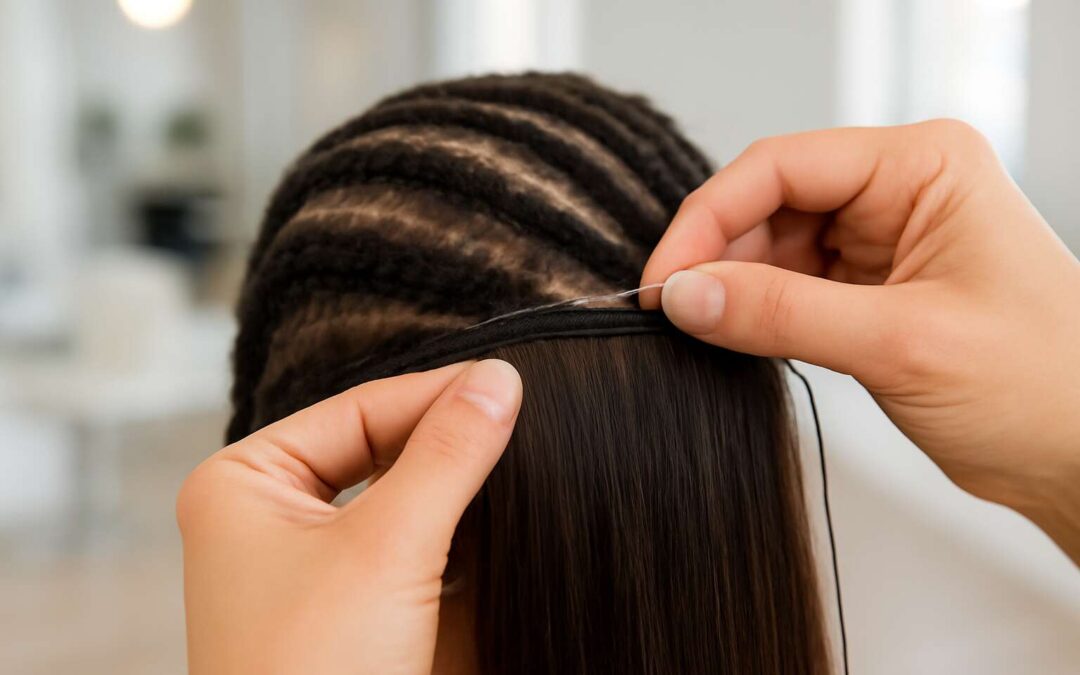
“Hair is the crown you wear every day,” a South African stylist often quips, and sew-ins translate that crown into lasting drama. Sew-in extensions are a method where a weft of human or high-quality synthetic hair is stitched onto a braided base, creating seamless length and volume. The technique hinges on precision and scalp comfort, balancing durability with movement.
Common terms you’ll hear include:
- weft
- tracks
- braids
- cornrows
- thread-and-needle method
When done well, how are hair extensions sewn in can feel almost invisible, casting a glamorous silhouette over the landscape of a Cape Town afternoon or a Joburg night. The craft respects natural hair and skin, inviting a touch of artistry to everyday style.
Key benefits and considerations
The question how are hair extensions sewn in haunts the mirror and the hush of the salon chair. A patient thread-and-needle ballet binds a weft to a braided base, turning a crown into lasting drama. In Cape Town light or Joburg night, this craft seeks balance—durability with movement, concealment with comfort.
Key benefits include a handful of practical enchantments that keep the look alive from dawn to dusk:
- Natural-looking length with subtle, fluid movement
- Low visibility against the scalp
- Long-lasting wear with careful maintenance
- Styling versatility from sleek updos to wild waves
Considerations must be weighed in a climate where heat and wind contend with weight and tension. The choice between human and high-quality synthetic hair matters, as does professional installation and periodic check-ins to preserve scalp health and crown comfort.
Ideal hair types and candidate profiles
Across Cape Town’s sunrise to Joburg’s neon nights, clients crave a crown that moves with the breath of life. In salons across the country, a telling 65% report renewed confidence when extensions harmonize with natural growth.
Understanding how are hair extensions sewn in reveals a quiet mathematics: a weft meeting a braided base through a patient thread-and-needle ballet, turning a coil of strands into a fluid frame for the crown.
- Natural, healthy scalp with resilient strands
- Medium hair density that supports weight gracefully
- Stable texture for seamless blending with the weave
- Scalp comfort and root lift without visible bulk
Ideal candidates span professionals chasing polished volume to dreamers seeking length, all drawn by the same promise: drama that stays as you move.
Sew-In Techniques and Variations
Traditional weft sew-ins explained
Seamless volume isn’t magic—it’s a careful choreography. For the question how are hair extensions sewn in, the answer reveals a traditional rhythm: tracks sit on braided foundations and the weft threads weave a quiet frame around the crown. The result is movement that mirrors natural growth with minimal bulk.
Traditional weft sew-ins rely on a sturdy thread and a blunt needle to anchor each track to the braids. Salons balance tension and spacing so the seam lies flat and the scalp stays comfortable, a nuance many SA studios have refined into a quiet, reliable standard.
- Full-track sew-ins for lasting fullness
- Partial applications to add depth at the crown
- Flat-seam variation for a sleek, low-profile line
These variations let wearers tailor the look to face shape, lifestyle, and climate, while preserving a natural fall and ease of maintenance.
Beaded track sew-ins and micro-loop options
The question of how are hair extensions sewn in becomes a whispered rhythm in a mirror-lit room; a waltz of thread and precision. In South Africa, beaded track sew-ins and micro-loop options offer cooler, gentler choices for volume that moves with you, even on humid days.
Beaded track sew-ins anchor tracks with tiny beads threaded along a seam. The beads distribute weight, keeping the crown flat and the scalp breathing while the weave holds shape through wind and heat.
Micro-loop extensions use slender rings to secure strands without heat or wax. The result is feather-light and adjustable, letting you alter part lines and bounce without a visible ridge.
Variations to consider include:
- Beaded track sew-ins
- Micro-loop options
Braided base methods and their differences
Braided base methods lend texture and airflow to sew-ins, turning the perennial question into a polite discussion of craft. A classic cornrow base distributes tension along the scalp, while a flat braid base hugs the crown for a leaner silhouette. Each approach reshapes weight, movement, and comfort, a distinction not lost on clients living in humid South Africa, where hair should ride the day, not the weather.
- Classic cornrow base
- Flat-stitched braid base
- Latticed mesh braid base
As variations to consider, these options influence scalp ventilation, ease of parting, and how naturally the weave sits against curls and humidity. In practice, many clients still ask how are hair extensions sewn in, and braided bases answer that question with grace. In the right hands, braided bases move with the wearer rather than cling to the crown.
Choosing the right technique for hair texture
Humidity in SA isn’t just weather—it’s a weekly stress test for extensions. A recent salon poll shows 68% of clients report better comfort and natural movement when the technique respects texture.
When you ask “how are hair extensions sewn in,” the answer hinges on texture, density, and scalp sensitivity. The right method lets strands glide, not cling, and turns a hidden seam into a whisper rather than a shout.
- Coarse, thick hair benefits from slightly looser bases to maintain airflow.
- Fine or fragile hair needs lighter tension to prevent stress on strands.
- Curly textures respond best to flexible placements that move with curl patterns.
Ultimately, the right technique is about letting the weave breathe and move with you, especially under South Africa’s fickle humidity.
The Attachment Process from Prep to Finish
Preparation, sectioning, and base creation
A great base is the quiet magic behind seamless extensions, and in Cape Town salons it’s whispered that a flawless base reduces touch-ups by 40%. The question of how are hair extensions sewn in clarifies when prep, sectioning, and base formation are treated as one choreography rather than a hurry.
Prep begins with a clean scalp, minimal product residue, and a calm mind that refuses chaos. Sectioning arrives as a measured conversation: clean part lines, even spacing, and just enough tension to anchor each strand without pinching.
Base creation is where the crown speaks: a breathable foundation that distributes weight and hides knots. When you consider how are hair extensions sewn in, the base is the unsung hero that holds the look in place through wind and movement.
Attaching tracks and securing extensions
Cape Town salons whisper a statistic that lands with the weight of a good haircut: up to 40% fewer touch-ups when the attachment process is performed with quiet precision. The outcome is not luck but a living choreography—prep, sectioning, and base forming one breath, not a hurried sequence.
That question how are hair extensions sewn in becomes more than curiosity. From the moment tracks meet the scalp, balance matters: weight distributes evenly, tension remains steady, and knots stay tucked to hide seams; the aim is a surface that reads natural, not forced.
Finish conforms to movement—wind, heat, rain—without betraying the structure. The result is a secure, flexible line that rests and falls with intent.
Blending, trimming, and finishing touches
Across Cape Town salons, the attachment process is a quiet act of precision. A statistic whispers that up to 40% fewer touch-ups follow when the method is calm and exact. The journey from prep to finish blending hinges on balance and control, letting tracks meet the scalp with patience rather than pressure. The question how are hair extensions sewn in reveals its answer in flow, not force.
- Blending the line with surrounding hair for a natural transition
- Trimming to mirror natural layers and ensure even weight
- Applying finishing touches that soften the seams and seal movement
Finish then reads like a living silhouette—ready to weather wind, heat, and rain without betraying its origin. The secure, flexible line rests and falls with intent, a subtle choreography that keeps shine, texture, and balance in quiet harmony.
Maintenance, Longevity, and Aftercare
Cleaning and styling routines for sew-ins
Across South Africa, a telling stat—68% of clients—says sew-ins stay livelier when care is deliberate. Understanding how are hair extensions sewn in informs every decision—from maintenance to styling. The goal is harmony between foundation and flow, not spectacle alone.
Longevity grows where the base sits with quiet confidence. Respect the bond’s tension, the way each track shares the weight of a living crown, and select products that nurture rather than overpower. When the scalp breathes and movement remains uncramped, your installation resists the fatigue of daily life.
Aftercare is a ritual of restraint and care. Cleaning and styling become acts of poetry—gentle cleansing around the scalp, air-drying when possible, and a mindful approach to heat and tools near the seams. Love the look by letting it behave, not force it into a rigid silhouette.
Maintenance schedule and re-tightening timelines
That 68% statistic from across South Africa still hums in the salon air: maintenance keeps sew-ins vibrant. Understanding how are hair extensions sewn in informs every decision—from tension to scalp health and the cadence of visits. The norm is a professional re-tightening every 6 to 8 weeks, a window that honors growth without inviting fatigue.
Longevity blooms when the base rests with quiet confidence. Respect the bond’s restraint; limit heavy oils near the seams; protect the crown with satin at night, and treat movement like a living tide.
- Slack or lift appears
- Re-tightening every 6–8 weeks
- Avoid tension during workouts
Aftercare remains a ritual of restraint. Clean around the scalp, air-dry when possible, and keep heat away from the seams. Let the extensions behave with the body—never forcing a rigid silhouette, never hiding the life within each strand.
Common issues and how to address them
Maintenance isn’t a ritual; it’s a dialogue with growth. When you ask how are hair extensions sewn in, you discover choices that balance tension with scalp comfort—patterns that move with you, not against you. A professional re-tightening every 6 to 8 weeks keeps seams tidy as the hair grows, while preserving bond integrity.
Longevity blooms when the base rests with quiet confidence. In SA salons, durability matters—respect the bond’s restraint; limit heavy oils near seams; protect the crown with satin at night, and treat movement like a living tide.
Aftercare remains a ritual of restraint. Clean around the scalp, air-dry when possible, and keep heat away from the seams.
- Slack or lift appears — address promptly with a professional re-tightening.
- Oils near seams — minimize heavy products at the base and use lighter formulas.
- Tension during workouts — tie hair up and avoid pulling on bonds.
Protecting hair and scalp health
Maintenance is a living dialogue with growth. When you ask how are hair extensions sewn in, you’re peering at patterns that balance tension with comfort and movement that mirrors life. A seasoned technician keeps seams tidy as the hair grows, preserving bond integrity and wearability.
Longevity thrives on restraint and calm. In South Africa’s salons, durability matters; the base must sit with confidence, while movement is treated like a tide—steady, adaptable, and respectful of the scalp’s rhythm.
Aftercare remains a measured ritual of respect for craft and scalp health. It centers on gentle cleansing, letting the strands settle, and avoiding aggressive heat near attachments to protect their life and keep the style true.
Choosing a Professional and DIY Considerations
What to look for in a stylist or salon
Hair is a living myth, and the map begins with choosing a professional who understands how are hair extensions sewn in. The right stylist threads comfort, longevity, and scalp health into every weave, turning a routine refresh into a confident ritual for South Africa’s salons, indeed!
Look for a stylist or salon with a balance of credentials and care. Consider these checks:
- Accredited training in sew-in methods
- Clean tools and sanitized stations
- Portfolio showing natural parting and texture
- Clear pricing and aftercare guidance
DIY may be tempting, but the long-term health of the scalp hinges on professional technique. When considering the process of sewing extensions, it becomes clear that precision and attachment security matter more than speed.
Cost factors, timelines, and expectations
Across SA, a recent salon survey found comfort and natural movement trump length for 68% of clients. The question “how are hair extensions sewn in” guides every consultation. A skilled stylist blends technique with scalp care, turning a routine refresh into a confident ritual rather than a quick cosmetic change.
DIY tempts, but weigh these cost factors, timelines, and expectations before you commit:
- Upfront pricing, what’s included, and the technique used
- Maintenance costs and re-tightening intervals
- Installation downtime and appointment length
- Expected lifespan and aftercare requirements
Choose a professional with accredited sew-in training, clean tools, and a portfolio showing natural parting and texture. When you ask how are hair extensions sewn in, you’re probing technique, tension, and scalp health—components that matter more than speed, I’ve found, ensuring a seamless blend.
At-home vs in-salon options and safety tips
Across SA, a recent salon survey found comfort and natural movement trump length for 68% of clients. When you ask how are hair extensions sewn in, you’re probing technique, tension, and scalp health—components that matter more than speed. A skilled stylist blends this craft with scalp care, turning a routine refresh into a confident ritual.
Choosing a professional is about accreditation and portfolio: look for accredited sew-in training, clean tools, and samples that demonstrate natural parting and texture.
- Accredited training and clean, sanitized tools
- Clear assessment of scalp health and maintenance needs
- Up-front pricing and realistic timelines
DIY considerations come with risk and reward; at-home vs in-salon options hinge on space, equipment, and support. Safety tips center on professional standards and honest conversations with your stylist—patch tests, sanitation, and timely check-ins widen the path to a seamless result.