
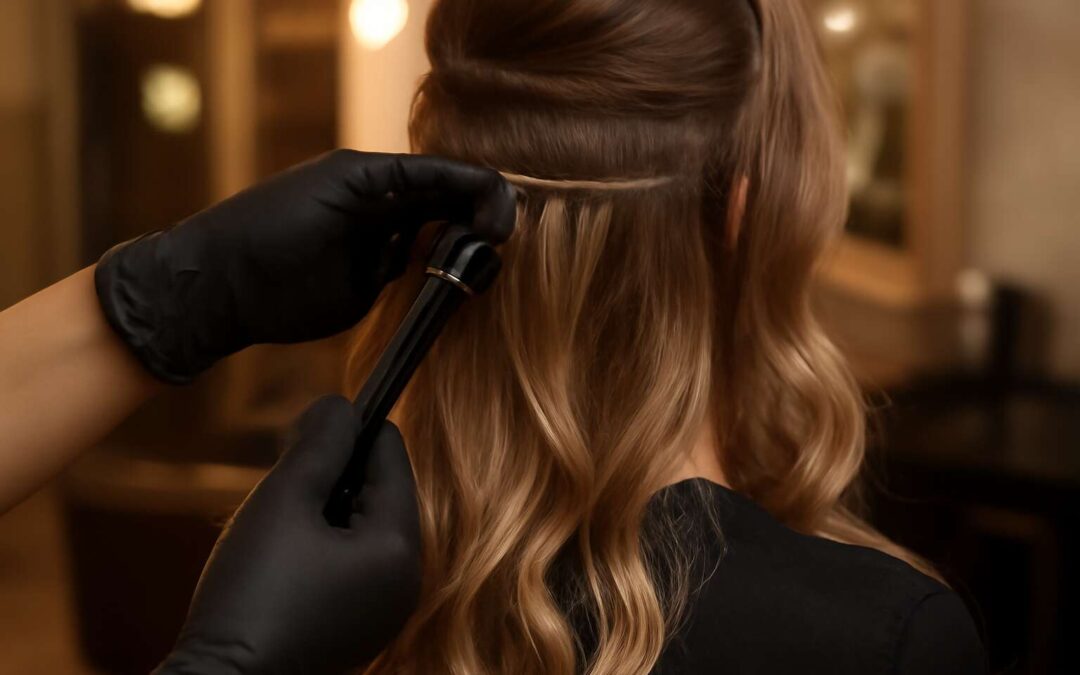
What professional hair extensions services involve
Do stylists provide hair extensions
In South Africa, salon insights show that professionally fitted extensions can add up to 60% more fullness in a single session. The question many clients ask as they settle into the chair is this: do hairdressers do hair extensions? The answer rests on skill, sanitation, and a tailored plan.
Professional extension services start with a thorough consultation, color matching, and a scalp health check. A patch test may be performed, and you’ll learn about wear time, maintenance, and expected outcomes before anything is bonded to your natural hair.
- Tape-ins for quick application
- Micro-beads or micro-links
- Wefted extensions for volume
Aftercare guidance and periodic refits help keep hair healthy while preserving the seamless blend you paid for.
Types of extensions commonly offered by salons
In one session, extensions can boost fullness by up to 60%. ‘do hairdressers do hair extensions’—the question clients ask—gets a simple answer: yes, when a service begins with a thorough consultation, precise color matching, and a scalp health check.
Types commonly offered by salons include:
- Tape-ins for quick lift and minimal damage
- Micro-beads or micro-links for secure, heat-free bonding
- Wefted extensions to add volume quickly
Aftercare and periodic refits help keep hair healthy while preserving the seamless blend you paid for.
Qualifications and licenses for extension services
A client-reported stat shows that 9 in 10 people feel extensions blend best when a thorough consult is done first. Clients often ask, do hairdressers do hair extensions, and the answer is yes—when a service begins with a calm scalp health check, precise color matching, and a plan that respects hair’s vitality.
In South Africa, professional extension services hinge on formal training and regulatory compliance. A qualified stylist brings accredited extension training, color blending skills, and rigorous sanitation to the chair. They tailor technique to your hair—tape-ins, micro-beads, or wefts—while performing a scalp assessment to prevent damage.
- Accredited extension training
- Infection-control certification
- Ongoing CPD and SAQA-recognised qualifications
Licensing for the salon and adherence to health standards underpin the service, with refits planned to refresh bonds and maintain a seamless blend.
Difference between in-salon extensions and take-home kits
The common question—do hairdressers do hair extensions—usually gets a confident yes. A professional service begins with a calm scalp health check, then precise color matching and a plan that respects hair vitality, so the finished look feels like it grew from your own crown.
- Thorough consultation and scalp assessment
- Custom color blending for seamless shade
- Sanitation-first technique and safe bonding
Within South Africa, in-salon extensions come with hands-on application, secure bonds, and guided aftercare. Take-home kits offer convenience but demand self-discipline and careful maintenance—a pairing that often lacks the expert oversight and sanitation standards that a studio appointment guarantees.
Popular methods of hair extensions
Clip-in, sew-in, and bonded methods: an overview
Extensions are a holiday-season staple in SA salons, turning mornings into less frantic routines. The question do hairdressers do hair extensions? Yes—yet the method matters. Clip-in, sew-in, and bonded options dominate, each delivering a distinct look and maintenance rhythm.
Clip-in extensions are the quick-change artists. They clip in with small wefts, require no glue or sewing, and can be removed nightly, keeping the scalp comfortable. Ideal for testing length or temporary volume!
Sew-in wefts are braided and stitched in, lasting several weeks with care but demanding a skilled hand to avoid tension. Bonded extensions fuse keratin bonds for a natural feel and longer wear, with careful removal essential.
Tape-in extensions: pros and cons
Holiday mornings in SA salons get a boost from tape-in extensions, delivering instant lift with minimal fuss. Do hairdressers do hair extensions? Tape-ins answer with speed, discretion, and a lie-flat finish that feels almost magical.
Here are the pros and cons that shape their appeal:
- Fast installation with minimal heat and downtime
- Lightweight, lie-flat finish that blends naturally
- Easy to remove and reusable with proper care
- Adhesive tapes can fail with oil, sweat, or over-washing
- May be less suitable for very fine or short hair without a skilled hand
Maintenance stays tidy: re-taping every 6 to 8 weeks, gentle cleansing away from the bonds, and steering clear of oil-based products near the tape.
Do hairdressers do hair extensions? The answer is a qualified yes—the tape-in route offers speed and subtlety when laid by a seasoned SA stylist.
Micro-link and fusion methods explained
SA salons are seeing a surge in premium extensions, where micro-link and fusion deliver instant length with movement you can feel. “The bond should feel like your own hair,” a SA stylist reminds clients, setting the tone for meticulous craft.
Micro-link extensions anchor strands with tiny beads—no heat, minimal fuss, and a lie-flat finish that blends naturally. Do hairdressers do hair extensions? Many do, with a steady hand turning precision into a whisper-soft result.
- Bead-based bonding for subtle volume
- Versatile color and length options
- Removal and reattachment without sacrificing hair integrity
Fusion methods, by contrast, use heated keratin to fuse extensions along the bond line. The result is robust, long-lasting texture that holds up under daily styling yet remains surprisingly light in feel. Like all premium services, fusion hinges on skillful removal to protect natural hair.
Keratin bonds and related techniques
In South Africa, seven out of ten clients opting for premium extensions now choose keratin-bonded methods for durability and natural movement. Do hairdressers do hair extensions? In many SA salons, the answer is yes—keratin bonds are a cornerstone for long-lasting texture that still feels feather-light.
Keratin bonds rely on heat-activated keratin tips that fuse to the natural strand. The approach offers robust wear yet a whisper-light feel, with options like hot fusion, pre-bonded keratin tips, and discreet bond lines that blend where you live and wash daily.
Popular keratin-based options include:
- Hot fusion bonds
- Pre-bonded keratin tips
- Keratin-weft reinforcements
With keratin-based methods, skilled removal preserves hair integrity and keeps the door open for refreshes as needed. The result is enduring texture that moves with you, not against you.
Choosing the right professional for extensions
Assessing credentials and experience
In a city of velvet salons and whispered promises, the choice of who wields the extensions matters more than the shade you choose. You might wonder do hairdressers do hair extensions, and the answer rests on lineage, technique, and the hush of sanitized tools.
In assessing credentials and experience, a qualified extension specialist shows formal training, appropriate licensing where required, and a portfolio that demonstrates texture and length mastery. In South Africa, sanitation protocols and client safety are non-negotiable, with clear aftercare guidance and transparent pricing.
To steer the search in a crowded market, consider these signs:
- Accredited training and valid insurance
- A diverse portfolio of textures and lengths
- Open, itemized pricing and a maintenance plan
- References or testimonials and a clean safety record
- Clear aftercare instructions and follow-up support
A well-chosen professional brings quiet assurance to every strand, turning a routine appointment into a ritual!
Questions to ask during a consultation
In a city where velvet salons promise miracles and mirrors never lie, the choice of who wields the extensions matters more than the shade you choose. do hairdressers do hair extensions? In South Africa, the answer rests on artistry, hygiene, and the quiet ethics of craft.
- What training and licensing do you hold for extension services?
- Can you show a diverse portfolio with textures and lengths similar to mine?
- Which method would you recommend for my hair type and lifestyle?
- What is your maintenance plan and the aftercare guidance you’ll provide?
- What are the total costs, timelines, and potential risks or damage I should expect?
The right professional treats your hair as a story, not a transaction, guiding you through textures and trust with calm, unflashy precision.
Color matching and blending: why it matters
Choosing the right professional for extensions is the quiet hinge between vanity and trust. In South Africa’s salons, color matching and blending are less about shade and more about storytelling; a single strand should seem to grow from the crown, not float on the surface. Do hairdressers do hair extensions? They do, when craft is paired with ethics and hygiene, turning a service into a seamless extension of self.
Color matching and blending demand a portfolio that breathes—textures, lengths, and undertones harmonizing rather than clashing.
- Portfolio diversity including your texture and length
- Precision in shade mapping and seamless blend
- Clear maintenance and aftercare philosophy
Let the right artisan guide the process, sculpting width and weight into a natural, enduring frame of confidence.
Salon policy on patch tests and allergy checks
Do hairdressers do hair extensions? They do, when the choice rests on a professional who fuses craft with scrupulous hygiene. In South Africa, selecting the right artisan means looking for a practitioner who treats your scalp as a living landscape—where safety, not speed, guides the journey.
Choosing the right professional hinges on a salon’s patch test and allergy-check policy. You deserve a clear, written protocol before any product touches your hair.
- Patch tests offered as standard, with results reviewed prior to any application.
- Tests scheduled 24–72 hours in advance, tailored to the products used.
- Documentation of allergy history and a signed consent form are part of the process.
Ask pointed questions during your consultation, and observe how they tailor the approach to your texture and sensitivities—because a truly safe service is the doorway to enduring confidence.
Safety, maintenance, and aftercare
Potential risks and how professionals mitigate them
The chair holds a truth: do hairdressers do hair extensions? The answer isn’t a blunt yes—it’s a careful, safety-first craft that guards your scalp and your investment in South Africa’s salons. Pros assess your scalp, review history, and pick adhesives and methods tailored to your hair. I’ve seen it firsthand.
Maintenance and aftercare keep the illusion pristine. Gentle cleansers, avoid heavy oils at bonds, and brushing from ends to roots extend wear. A silk pillow and late-night wrap reduce tangling, while regular check-ins catch wear before it compounds.
Risks exist, but trained professionals mitigate them with pre-service sensitivity checks, quality products, and precise tension. Removal is performed by an expert when needed, preserving your natural hair’s health.
Maintenance schedules and visits
Safety isn’t just a checkbox—it’s the chair’s truth. Do hairdressers do hair extensions? In South Africa, yes, but only when a stylist places scalp health and long-term shine above speed.
Maintenance schedules and visits keep the illusion pristine without compromising your natural hair. As you consider do hairdressers do hair extensions, a tailored plan—based on scalp condition and hair growth—prevents surprise rebalances during wear.
- Discuss bond tension and growth during follow-up visits
- Review cleansing routines and product compatibility
- Plan check-ins that fit lifestyle and salon policy
Aftercare supports longevity: gentle cleansers, minimal heavy oils at bonds, and brushing from ends to roots protect both your scalp and the investment. I’ve seen satin pillowcases become quiet allies.
Maintenance is more than a date on the calendar—it’s a conversation with your stylist, a commitment to care, and a testament to South Africa’s skilled hands in modern styling.
At-home care mistakes to avoid
Safety isn’t a glossed-over detail—it’s the truth I hear in every chair. Do hairdressers do hair extensions? In South Africa, yes, but only when scalp health and long-term shine outrun speed.
Maintenance isn’t a calendar tick; it’s a living contract with your stylist, a rhythm that keeps your natural hair thriving while extensions do their job in harmony with your lifestyle.
- Using heavy oils directly on bond bases, which can attract dirt and loosen the bond
- Brushing aggressively or with worn brushes, tugging at bonds
- Sleeping with damp hair or without a protective cap, which knots extensions and strains the lace or bonds
With disciplined care, you preserve safety, maintenance cadence, and aftercare—keeping your investment gleaming long after the salon doors close.
Detangling, washing, and styling tips
Seven in ten clients value scalp health over speed; do hairdressers do hair extensions? In South Africa, yes, but only when scalp health and long-term shine outrun speed.
Safety isn’t a glossed-over detail—it’s the truth in every chair. Bonds match your scalp and hair type, preserving natural strength.
- Using heavy oils directly on bond bases invites dirt and loosens bonds.
- Brushing aggressively or with worn brushes tugs at bonds.
- Sleeping with damp hair knots extensions.
Maintenance isn’t a calendar tick; it’s a living contract with your stylist, keeping your natural hair thriving while extensions fulfill their role. Regular check-ins and mindful product choices preserve shine.
Aftercare is where discipline becomes glow. Detangling, washing, and styling tips as simple rules.
- Detangle from the ends with a wide-tooth comb.
- Wash gently at the scalp; rinse thoroughly.
- Style with heat protection and air-dry when possible.
When to replace or remove extensions
In South Africa, the question lingers: do hairdressers do hair extensions? The answer isn’t a boast but a covenant—safety governs every chair. A qualified stylist weighs scalp health, hair density, and bond compatibility to safeguard natural strength and shine.
Maintenance isn’t a calendar tick; it’s a living contract.
- Bond integrity is assessed at each visit to detect creeping loosening
- Open dialogue about any irritation or changes in scalp sensation
- Removal or repositioning cadence is guided by professional assessment, not whim
Replacement or removal is then considered when growth, wear, or edge thinning alters the balance between extensions and real hair.
Aftercare becomes a shared discipline—consistent communication and mindful product choices sustain the partnership between extensions and natural texture. When signs emerge that the bond or blend no longer aligns, replacement or removal follows a professional evaluation rather than a timetable, preserving long-term health and shine.
Cost, timelines, and booking tips
Understanding pricing structures for different methods
Every salon has its own rhythm, and prices follow. Some clients wonder do hairdressers do hair extensions, and the answer depends on technique, length, and hair type. A good extension job starts with honest dialogue about what fits your budget today and grows with your goals tomorrow.
Prices swing with method and wear-time. In South Africa, budgets shuffle between chores and bills, so clarity matters. A basic option may be more affordable upfront, while premium systems add materials and longevity. The simplest path is a written estimate that breaks out installation, products, and visits.
- Installation and blending included
- Maintenance visits in the plan
- Product quality and warranty
Timelines vary by method and salon workload. Tape-ins or clip-ins may suit quicker turns, while sew-ins or keratin bonds can run longer. When booking, discuss available dates, patch tests, and a clear quote. A little planning now saves stress and keeps expectations aligned.
Estimated timelines for installation and adjustments
Prices shift with technique, wear-time, and hair type, and in South Africa that transparency can save more than money. People wonder, do hairdressers do hair extensions? The answer sits at the crossroads of method and goal, and a clear quote today often maps onto growth tomorrow.
Estimated timelines vary by method and salon workload. Tape-ins or clip-ins are quick—often a few hours—while sew-ins and keratin bonds stretch into longer sessions. When you book, ask about safety checks and a defined schedule to avoid surprises.
- Tape-ins/clip-ins: roughly 1.5–3 hours
- Sew-ins/keratin bonds: roughly 3–6 hours
Booking tips should feel practical, not punitive. I tell clients to pick a day with lighter salon traffic, request a written estimate that breaks down costs, and confirm the expected finish. A little planning now keeps the appointment calm and the result true to your goals.
Booking pointers for a smooth experience
Many clients wonder: do hairdressers do hair extensions? Yes, but the price tag and timeline shift with method, wear-time, and your natural hair. In South Africa, a transparent quote before the first strand is laid can save more than money, turning expectations into a calm appointment and a beauty you’ll wear with pride.
Costs hinge on technique, texture, and upkeep. Light tape-ins or clip-ins glide in faster and can feel more affordable upfront, while sew-ins, keratin bonds, and fusion styles anchor longer sessions and ongoing maintenance. A clear estimate helps you plan without surprises.
Booking tips for a smooth experience:
- Ask for a written, itemized estimate
- Choose a day with lighter salon traffic
- Confirm the expected finish and any safety checks
Discounts, packages, and financing options
In a world where every strand counts, the question still echoes through salons: do hairdressers do hair extensions? Clarity before service shapes the whole journey. “Clear quotes before the first strand sets the tone,” a veteran stylist reminds us, especially in South Africa.
Costs hinge on technique, texture, and upkeep, with timelines shifting accordingly. Light tape-ins or clip-ins install quickly and feel affordable upfront, while sew-ins, keratin bonds, and fusion styles demand longer sessions and ongoing maintenance. A clear estimate helps you plan without surprises.
- Light options: tape-ins
- Longer methods: sew-ins
- Maintenance visits
Booking tips come with discounts, packages, and financing options. When booking, request a written, itemized estimate and confirm finish times to keep your day smooth. Some salons offer bundles and loyalty rewards, while 0% financing can spread the cost.