
Understanding Human Hair Extensions
Why Choose Human Hair Over Synthetic Alternatives
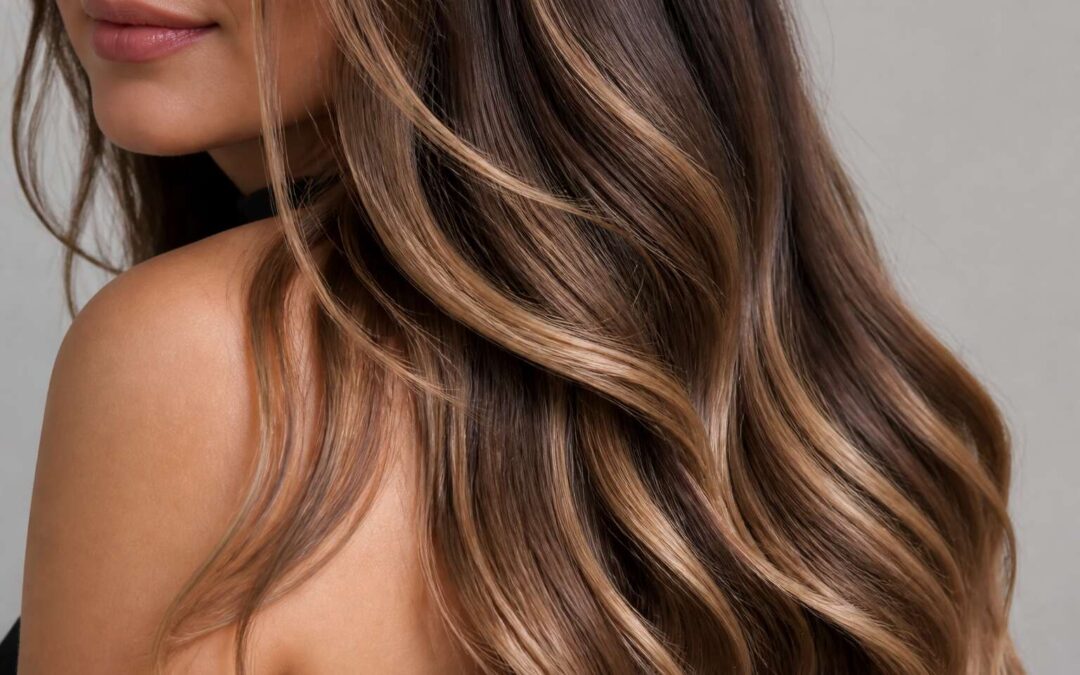
The quest for hair extensions human hair begins with a single, undeniable truth: authenticity commands a presence that synthetics cannot imitate. In the muted light of a Johannesburg boutique or the harsh glare of a Cape Town summer, the difference becomes a testament to discernment. Real hair moves with a biophilic grace, catching light in a spectrum of natural reflections that synthetic fibers, for all their engineering, cannot reconstruct. This material offers a chimeric quality, where the strands behave as your own, responding to humidity and motion with an unpredictable vitality.
Choosing human hair over a synthetic alternative is an investment in narrative, not just aesthetics. Consider what you are purchasing:
– Durability that extends beyond a season, offering a longevity of use.
– The freedom to style with heat tools, alkali dyes, and chemicals without degradation.
– A texture that allows for seamless blending with your natural crown.
Synthetic wefts, while economical, often possess a telltale sheen and a rigidity that resists daily styling rituals. Ultimately, the decision to select hair extensions human is a commitment to a standard of beauty that feels as real as it looks.
The Lifespan of Real Hair Extensions: Cost vs. Longevity
A bundle of hair extensions human can cost anywhere from R800 to R8,000, yet the real expense shows up in months of wear, not the initial price. A low cost per bundle often masks a shorter lifespan, which means you pay again sooner. Quality wefts from ethically sourced, cuticle-aligned hair commonly deliver nine to twelve months. Cheaper alternatives might surrender after eight weeks of washing and styling.
The processing history decides the outcome:
- Cuticle alignment determines how easily the strands tangle.
- Artificial coatings hide damage and dissolve under heat.
- Origin and donor age influence the hair’s natural resilience.
I pay more upfront for longevity, and the math holds up!
Scoring 100% Human Hair: Cuticle vs. Non-Cuticle
Almost 95% of products marketed as “100% human hair” are not what they claim. The truth is visible under a microscope, and it changes everything about how your extensions will behave. The distinction comes down to the cuticle, which is the protective outer layer of each strand.
Cuticle hair retains that outer layer intact and aligned in one direction. These directional scales lock in moisture and prevent friction between strands. When your hair extensions human have aligned cuticles, they resist tangling, hold curls, and stay soft through repeated washes.
Non-cuticle hair goes through acid baths or mechanical stripping to remove that layer entirely. Without the protective shingle, the inner cortex is exposed to shampoo, sun, and heat. The result is a product that clumps and fades within weeks.
Here is the quick rule for sifting wheat from chaff:
1. Run your fingers up the shaft. Smooth going up means aligned cuticle.
2. Ask about the process. Acid wash or silicone dip equals non-cuticle.
3. Check the price per gram. Too low always means shortcuts.
4. Rub a small section between your palms. Shedding dust means coating.
Remy hair extensions human are the gold standard because they maintain that natural flow from root to tip. This is the reason Joburg stylists trust them for everyday wear. Cuticle integrity determines whether you are buying the real thing or a carefully labled bundle of disappointment.
The label is not the product. The cuticle is.
Finding Your Perfect Match: Types of Human Hair Extensions
Clip-Ins and Halo Extensions: The No-Commitment Option
Finding Your Perfect Match: Types of Human Hair Extensions Clip-Ins and Halo Extensions: The No-Commitment Option
Walking into a room with a sudden cascade of waist-length waves is a flex. Yet, the fear of looking like you raided a costume shop is real. Many women in South Africa crave volume but hesitate to glue or sew anything into their natural hair. This is where the magic of temporary styling steps in, offering a risk-free path to drama.
Unlike permanent methods, clip-ins and halos offer the ultimate freedom. You get the length for a Friday night function and remove it before your Sunday skincare routine. They are the fast fashion of hair, but with a luxury feel. If you are new to this world, the choices can feel overwhelming, but the learning curve is shorter than you think.
Let’s break down the two heavyweights of the temporary game.
– Clip-Ins: These are wefts with snap-on tabs. They offer maximum control over placement and volume. You can add a single piece for subtle depth or stack multiple wefts for a full-blown ponytail moment.
– Halo Extensions: This is a single weft attached to a clear wire that sits atop your head like a crown. Your natural hair conceals the wire. It is the quickest to install and literally takes seconds to drop over your parting.
Both options allow you to switch up your look faster than you can change your outfit. The key difference lies in the tension and application. Clip-ins require sectioning and a bit of practice to hide the tabs. If not placed properly, they can peek out and ruin the illusion. Halos, however, are virtually foolproof. Because there are no clips digging into the scalp, they are the best choice for those with fine hair or a tender head.
Of course, the quality of the strands matters. You should always invest in top-tier human hair extensions rather than synthetic mimics. Real remy hair moves like your own, reflects light naturally, and can be styled with heat tools without melting into a plastic mess. The best human hair extensions take colour well, meaning your stylist can blend them perfectly with your roots for a seamless finish.
There is a distinct learning curve regarding longevity. While clip-ins can be damaged by constant snapping and unsnapping, they are easier to wash individually. Halos require careful sewing down of the weft if it gets too loose, but they distribute weight evenly across the head. This makes them feel weightless, even when you are rocking 22 inches of curly extensions.
The beauty of the no-commitment route is the ability to experiment. You can test a fringe, try a new colour, or just add some oomph for a specific event. If you get bored, you simply slide them out. No awkward grow-out phase, no damage to your edges, and no salon visit required for removal.
Whether you choose the precision of human hair extensions with clips or the easy elegance of a halo, you are giving yourself the gift of versatility. It is an accessory, not a life sentence. So go ahead, fake the volume, keep your own hair healthy underneath, and enjoy the fact that you can change your mind tomorrow.
Sew-Ins and Weaves: Maximizing Volume and Length
The permanence of a sew-in demands a different kind of honesty. You cannot simply slide it out after a long day. This commitment forces a confrontation with your own patience, maintenance habits, and the health of the hair you hide beneath the weave. It is a transactional relationship with your own vanity, where the reward is substantial if you respect the process.
A traditional sew-in involves braiding your natural hair flat against the scalp and using a needle and thread to attach wefts of human hair extensions human to these braids. This method allows for the most significant transformation in terms of volume and length. Unlike tape-ins or clip-ins, the tension is distributed across the entire braided base, which protects your natural strands from the constant pulling of daily wear.
The canvas is the foundation. A poorly executed base guarantees a poor result, regardless of the quality of the weft. The braids must be firm but not tight enough to cause traction alopecia. This decision, ultimately, is never about the extensions themselves but the craft of the person installing them. Trust is placed in the hands of another, a vulnerability that is often underestimated.
Before you commit to this process, consider the fundamentals that determine the outcome:
1. The integrity of the bundle. Cheap wefts shed and tangle, turning a glamorous look into a daily battle. You need tested and reliable hair extensions human.
2. The reputation of your stylist. Word of mouth in South Africa travels fast. Find someone whose work you have seen in person, not just on a filtered Instagram grid.
3. The maintenance plan. You must be willing to moisturise your scalp and protect the wefts while you sleep. This is a lifestyle change, not a hairstyle.
The anonymity of a bulky weave offers a strange liberation. It allows you to project a version of yourself that may feel braver or more polished. Yet, the daily ritual of caring for it serves as a grounding reminder of the artifice. You are nurturing a creation, and in doing so, you learn how delicate beauty can be. The weight on your crown tugs at the roots, a constant physical anchor to the decision you made. For many, this weight is a comfort, but for others, it becomes a burden. There is no judgement in the choice, only the weight of the consequences.
Tape-In Extensions: The Flawless Everyday Solution
Under the highveld sun, a woman’s hair must endure humidity, wind, and traffic jam. Tape-in extensions, a form of hair extensions human that rely on a pressure-sensitive adhesive, offer an option between the permanence of weaves and the transience of clips.
The wefts bond in rows, distributing tension across several strands. For office workers who crave volume without a weekly redo, this system survives workouts and rainy commutes. Removal requires a precise craft; sulfuric-based removers loosen the adhesive, but you must never attempt this with household oil. A six-week appointment schedule avoids tangling when bonds slip.
These hair extensions human, when sourced with intact cuticles, lay so flat that a high ponytail reveals no hidden seams. They accept heat up to 180 degrees, yet remain light enough to forget you are wearing them. That is the everyday benefit.
Micro-Link and K-Tip: The Futuristic Fusions
In the world of hair enhancements, precision often defines the difference between seamless luxury and obvious artifice. Micro-Link and K-Tip methods represent the pinnacle of this craft, offering a level of sophistication that adhesive alternatives rarely achieve. These techniques involve attaching individual strands of hair extensions human in origin to small sections of your natural hair using either minute silicone-lined beads or a gentle heat-activated keratin bond.
The distinction between the two is subtle yet significant. Micro-Links are completely glue-free, making them a favourite for those who prioritise scalp health and easy removal. They simply click into place with a specialised applicator. Conversely, K-Tips fuse to your own strands, creating a slightly more rigid attachment point. Both are remarkably lightweight.
– Micro-Links allow for instant repositioning and are reusable.
– K-Tips offer a flatter, more discreet profile against the head.
Because these methods require no wefting, your scalp retains full breathability. This is vital in our climate, where heat and humidity can compromise lesser installations. However, this bespoke application demands a skilled stylist and a significant time investment. When executed correctly, the result is a natural flow that moves as one with your own hair. Ultimately, this choice hinges on your maintenance commitment. The longevity of hair extensions human applied via these methods can be exceptional, but it relies on meticulous aftercare and regular visits to adjust the bonds as your hair grows.
Wash-and-Go Wigs and Lace Fronts for Ultimate Versatility
There is a particular magic in slipping on a wig that requires no styling. Wash and go wigs offer that immediate freedom, with pre-stretched curls or sleek straightness that survives a Cape Town southeaster. For those who want the illusion of a scalp, lace fronts take it further. The sheer lace melts at the hairline, creating a natural border that invites close inspection.
Both options belong to the broader family of hair extensions human, but they differ in construction. A wash and go wig is typically a full cap with hair already styled. A lace front only covers the front, leaving the rest of your natural hair tucked underneath. This makes lace fronts cooler and lighter.
- Wash and go wigs suit busy mornings.
- Lace fronts offer styling versatility for parting and updos.
Choose based on your daily routine and climate. These hair extensions human protect your natural hair while giving you a flawless finish, no matter how the wind blows.
Color Matching and Texture Blending
Decoding Shade and Tone: Warm, Cool, and Neutral Undertones
The spectrum of human tones in South Africa is vast. From the deepest espresso to the lightest champagne, your natural shade is rarely a single, flat color. It is a mosaic of nuances, a faint gradient that shifts subtly from root to tip. When blending extensions, a generic match is a visual failure waiting to happen. The secret lies in decoding the undertone, the shadow that lives beneath the primary pigment.
Look closely at the weft in natural sunlight, not just inside a salon. Hold the strand against your client’s hairline and then against a mid-length section. You are checking for the color temperature. Warm undertones lean gold, copper, or amber. Cool undertones hold ash, violet, or blue hues. Neutral types are a rare equilibrium, absorbing light without casting a dominant reflection back. A neutral tone in your hair extensions human is often the most forgiving option, but it lacks the dimension of a true match.
Texture is the silent partner to color. A perfect shade with the wrong wave pattern creates a jarring seam. The tactile test becomes your primary tool here. Rub the strands between your fingers. Does the hair feel slick and uniform, or does it have a fibrous, catchable surface? For straight hair, you are looking for an unbroken, reflective line. For curly hair, the pattern density is critical.
– Kinky curly patterns require a tight coil with a defined spring.
– Deep wave patterns offer a uniform, S-shaped bend that holds well.
– Body wave provides a subtle, heatless bend for natural movement.
If you are styling curly hair, you must observe how the wave forms from root to end. A mismatch here is the difference between a seamless flow and a broken silhouette. The cuticle direction also matters here, as a smooth cuticle allows the extension to sit flush against the natural hair, preventing tangling at the root.
This attention to detail is an entrepreneurial obsession, not vanity. The goal is to create an unsplit illusion where the observer cannot tell where your natural hair ends and the extension begins. Often, the discrepancy is not the pigment itself, but the reflectivity. Human hair reflects light uniquely based on the porosity of the cuticle. A high-shine strand in a low-shine head of hair will stick out even if the base color is identical Mendel. Therefore, you must also check the sheen in a low-light environment.
For those with mixed textures, the strategy changes. You may need to blend multiple grades of wave to mimic the natural chaos of your hair. For example, a curly head of hair often has a looser curl underneath and a tighter curl at the crown. You cannot install a single uniform texture and expect it to disappear. The variance is what creates the authentic look. As you shop, feel the density of the web. It should feel substantial, not airy. The weight of the extension influences how it moves, and a lifeless, lightweight strand will always betray the presence of hair extensions human.
Caring for Colored Human Hair Extensions
The average South African client spends over R2,000 on a single colour service, yet watches it fade within weeks when paired with improper extension care. Colored hair extensions human require a different maintenance philosophy than your natural strands. The cuticle of a colored weft has been chemically lifted to accept pigment, which leaves it more porous and vulnerable to mineral buildup from hard water.
A gentle, sulfate-free cleansing routine is non-negotiable. Hot water forces the cuticle open, so rinse with lukewarm temperature and always follow with a pH-balanced conditioner. The pigment molecules sit closer to the surface than they do in your natural hair, which means they slough off faster under friction. Nighttime protection matters. Silk pillowcases reduce that friction substantially. When you style, keep heat tools below 180 degrees Celsius and apply a thermal shield. Colored hair extensions human will hold their tone longest when you rotate your styles, allowing the weft to rest between wears. Treating the extension with the same reverence you give a bespoke garment extends its brilliance considerably. The investment deserves more than a casual wash. It deserves a ritual. Your future colour appointment will thank you.
Silky Straight, Luscious Loose Waves, or Tight Curls: Textures Explained
The Complete Care Package: Maintenance and Styling
The Professional Way to Wash and Condition Your Hair Extensions
Few things wreak havoc on luxury strands faster than a careless lather. For hair extensions human, the professional wash begins with lukewarm water, never boiling or freezing. Hold the weft and let water flow downward, aligning the cuticle. Apply a sulfate-free shampoo in a single direction.
When conditioning, concentrate on the mid-lengths and ends. Keep the bonds dry. The biggest mistakes are:
- Using hot water, which opens the cuticle
- Scrubbing vertically, causing tangles
- Applying conditioner near the tracks
After that rinse, squeeze gently in a microfiber towel, never wring. Air dry on a wide-tooth comb. This ritual preserves the lifespan of every strand, keeping the investment pliable and polished.
Heat Styling and Drying Techniques to Prevent Damage
The most immediate threat to hair extensions human is heat, not time. A flat iron set to maximum can sever the protein bonds that give strands their integrity, turning a silken investment into straw in under a minute. The drying technique matters before you even pick up a tool. Always rough dry the weft on a low speed with a diffuser, keeping the nozzle at least fifteen centimeters away. This prevents steam damage and reduces the time your extensions spend under direct heat.
Once dry, apply a thermal protectant with a silicone base, and be honest about the amount. A light mist is useless, a soaked weft is disastrous. Then follow these guidelines for safe heat styling:
- Set the tool temperature below 180 degrees Celsius for finer textures.
- Use a one-pass technique, never glide the iron back and forth across the same weft.
- Wait three minutes between passes to let the strand cool internally.
Finally, remember that air drying remains the most forgiving option for hair extensions human, especially in humid climates. A standard blower adds daily attrition; a cool setting plus a wide paddle brush achieves the same smoothness with far less wear. Your nightly routine, brushing before bed and storing the weft loose, will do as much for the lifespan as any expensive serum. Heat is a privilege, not a requirement.
Overnight Protection: Sleep with Confidence and Wake Up Glamorous
The average woman spends over R2,000 on a quality set of hair extensions human hair, only to see them fray and tangle within a month. That is a direct return on a poor routine. Your investment deserves better than a rushed brush and a hot iron at full blast. The difference between a head that turns and a head that causes concern lies entirely in the habits you build around heat and rest.
Heat styling is a necessary evil, but you can negotiate the terms. The thermal limit for human strands is a hard boundary at 180 degrees Celsius. Exceeding that sears the cuticle, permanently. This is not a suggestion, it is physics. When you do reach for the tool, precision beats speed. A single glide is more effective than aggressive back-and-forth motion, which creates friction and kinks. Respect the cooling phase, give the strand a full three minutes to drop its temperature before you even think about a second pass.
For the overnight hours, the strategy shifts from offense to defense. You cannot avoid sleep, but you can prevent the abrasive damage of cotton pillowcases, which wick moisture and create static. The “pineapple” method, a high, loose ponytail atop your head, protects the ends from being crushed. Silk or satin bonnets are not just for grandmothers, they are essential gear for preserving your install. A silk scrunchie is non-negotiable, as elastic bands create creases that are impossible to reverse. This nightly ritual keeps your hair extensions human and ready for the next day, preventing the morning detangling battle that costs you length and integrity.
Where to Buy and How to Save Big
Seeing is Believing: How to Spot Authentic Virgin Vs. Remy Hair
Beauty Retailers vs. Online Marketplaces: Pros and Cons
Beauty retailers in Cape Town and Johannesburg offer something tangible: the chance to run your fingers through hair extensions human before you open your wallet. That comfort carries a price tag, often a lavish one. Online marketplaces present a broader field. They let you compare a hundred vendors while sipping rooibos, and the savings can be startling!
- Feedback scores that stay consistent for months.
- Photos that clearly show cuticle alignment.
- Gram weights quoted per bundle without ambiguity.
The true art of saving lies in comparing unit prices across platforms. Local sites like Yaga and Facebook groups often sell pre-loved or wholesale bundles for a fraction of mall costs. Factor in courier fees, and you might still walk away with a full head of luxury for half the price.
Scoring the Deal: When to Look for Seasonal Sales and Bundles
Black Friday in South Africa can slash prices on hair extensions human by as much as 40%, but it is not the only window. Retailers clear out seasonal stock in June and January to make room for new textures and shades, so watch those months closely. Online platforms often stack these seasonal discounts with bundle offers.
Bundles require closer inspection. A 4×4 closure and three bundles might look identical to a five-bundle set until you check the gram weight per bundle. When you buy a full head as a package, the price per gram drops sharply compared to buying individual wefts. I have seen savvy buyers in Johannesburg pull this off repeatedly!
The key sale windows are:
- Black Friday and Cyber Monday week
- January clearance sales after peak season
- Mid-year stocktake sales in June
Beyond A Eady: Sell Your Dip dye Kits, Serums, and Maintenance Subscriptions
Beyond A Eady, the popular Johannesburg supplier, the markup on hair extensions human still climbs past 250%. Serious shoppers head to salon wholesalers in Faraday Street, where bundles sell by gram weight. One phone call confirms whether the cuticle runs intact.
The real trick, however, involves reselling what you already own. Those dip dye kits, unopened serums, and unused maintenance subscriptions from last season fetch surprising cash on Facebook groups and Yaga. That R350 serum recovers R200 in two days. Stack that recovery against your new weft purchase and the total cost drops meaningfully.
- Independent stylists who import directly from Durban ports
- Trade-only warehouses with no retail floor
- Instagram sellers who post live unboxing videos
Each option requires patience, but the savings on hair extensions human justify the extra steps.
Application Techniques and Longevity Hacks
Should You DIY or Book a Professional Stylist?
Choosing between DIY and a professional stylist is not a simple yes or no. For clip-ins, self installation works if you dedicate time to positioning. But techniques like tape-ins and micro-links require a trained eye to avoid traction alopecia. A professional will map your head and distribute weight evenly. This care directly affects the longevity of your hair extensions human.
In Johannesburg’s varied weather, maintenance matters more than installation. You can learn to reapply adhesive or adjust clips at home.
- Schedule a maintenance check every six weeks.
- Rotate between two sets to reduce daily wear.
- Avoid tight ponytails during the first week.
Book a professional for the first installation, then ask them to teach you the removal process. That balance saves money without sacrificing your natural hair’s health.
How to Get the Perfect Fit: Weighing, Length, and Density
Prolonging the Investment: A Look at Aftercare Products and Routines
It is a quiet tragedy to watch beautiful hair extensions human wefts lose their lustre long before their time, simply because the application was rushed or the aftercare routine is built on guesswork. In my years of styling, I have seen the difference between an investment and a waste of money boil down to a single factor: how the piece is anchored and how it is treated in the weeks that follow. A meticulous fit, where each weft lies flat against the scalp and bears no tension, protects both the natural hair beneath and the integrity of the extension itself.
One of the most overlooked elements is the regular uplift. For taped or sewn in wefts, the natural growth cycle loosens the anchor points within a month. Booking a maintenance appointment every four to six weeks prevents matting at the root and keeps the weight distributed evenly. This simple rhythm, while often skipped, is the single most effective way to extend the life of your hair extensions human and keep the blend seamless against your own strands.
After the initial placement, daily micro routines carry more weight than any monthly mask. When I work with clients who achieve the longest wear, they share a common discipline. Consider these habits:
– Always brush from the mid shaft to the ends first, then gently tease out the roots to avoid tugging the bonds.
– Double cleanse with a sulphate free shampoo, focusing on the scalp but letting the suds run down the lengths without vigorous scrubbing.
– Store your silk pillowcase and a wide tooth comb beside your bed, so they are never forgotten.
Beyond the washing basin, product selection either preserves or degrades the hair. A dual phase leave in spray, applied to damp hair before drying, creates a barrier against humidity and friction. One routine I swear by for my clients is the L.C.E. method: Loosen the knots, Cleanse the wefts, and Extend the moisture with a fine oil finish. This order matters, as applying oil before detangling only seals the tangles into place. These small, deliberate choices transform a slippery, shedding mess into a resilient mane that carries its colour and curl for months.
What truly separates a lasting look from a fleeting one is the commitment to gentle handling over quick fixes. The hours spent on proper placement are rewarded by the mornings you wake up to a head of hair that still sits perfectly, needing only a quick finger comb.