
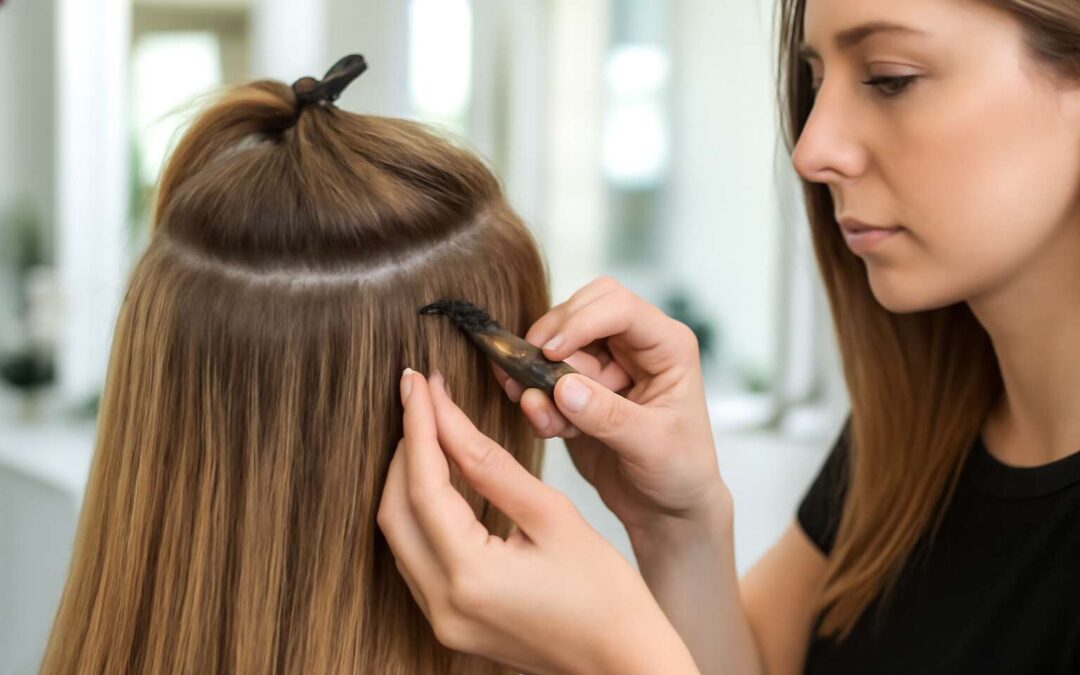
Understanding Hair Extensions Removal
Is Removal Safe for Your Hair Type?
“Every strand remembers,” notes a veteran stylist, and the moment of removal should feel like a gentle exhale. Understanding how extensions come off is key to preserving length and scalp health. In South Africa, the safety of removal hinges on hair type and technique, not bravado or haste. can hair extensions be removed with confidence? The craft lies in choosing methods that respect the natural hair and its unique rhythm.
The following factors guide safe removal for different hair types:
- Hair type and scalp sensitivity
- Removal method (glue, sew-in, micro-link) and tool safety
- Post-removal care: conditioning, moisture, and tangle prevention
Professional guidance ensures the process respects both scalp health and texture, turning removal into a calm, choreographed ritual rather than a rush to finish.
When to Remove Your Extensions
A brisk SA salon poll shows that about 60% of wearers feel relief when extensions finally come off—a reminder that removal is more health check than fashion finale. Removal timing isn’t fixed by a calendar; it’s a signal from your scalp and strands. can hair extensions be removed? The answer hinges on rhythm: hair health, growth, and lifestyle guiding the moment of release.
To read the signs, watch for these cues, which help gauge timing without drama:
- New tenderness or sensitivity around the scalp where extensions sit
- Unusual tangling, matting, or resistance during routine washes
- Product buildup that alters texture or shine
- Visible changes in extension fit, such as loosening near bonds
In South Africa, treating the scalp and natural texture with respect turns removal into a poised, calming ritual rather than a rushed finale.
Signs That Your Extensions Need Detaching
Surprising stat: 60% of wearers feel relief when extensions finally come off—it’s more a health check than a fashion finale! The answer hinges on rhythm: hair health, growth, and lifestyle guiding the moment of release.
To read the signs, watch for these cues, which help gauge timing without drama:
- New tenderness or sensitivity around the scalp where extensions sit
- Unusual tangling, matting, or resistance during routine washes
- Product buildup that alters texture or shine
- Visible changes in extension fit, such as loosening near bonds
In South Africa, treating the scalp and natural texture with respect turns removal into a poised, calming ritual—it’s a mindful pause that honours growth. The rhythm is personal, and the scene should honor hair and self—the small ceremony that marks a new growth phase.
This is where the mindful question (can hair extensions be removed) becomes a doorway to renewed confidence.
Overview of Popular Removal Methods
If you’ve ever wondered can hair extensions be removed, you’re not alone. In South Africa, clients seek a clean reset that respects scalp health and natural texture. Removal is more than a finale; it’s a health checkpoint that influences growth, elasticity, and the next chapter of your hair story.
Understanding the removal landscape means looking at options a trained professional can safely perform. Popular methods include
- Professional solvent-based bond dissolvers used by trained stylists to free extensions
- Mechanical detachment that minimises tugging and preserves your natural cuticle
- Heat-assisted release techniques conducted by licensed professionals when appropriate
In South Africa, reputable salons prioritise scalp care, gentle handling, and post-removal conditioning that supports growth. The question can hair extensions be removed with confidence when a qualified team handles the process.
Safe Removal Methods
Professional Removal Services: What to Expect
“There is a kind of magic in a proper removal,” a master stylist once told me. can hair extensions be removed without leaving the scalp singing with strain? The answer rests with patience, precision, and a touch of craft. In South Africa’s salons, removal isn’t a snap-and-go affair; it’s a careful choreography that honours your hair’s history. When done right, the process preserves shine, protects cuticles, and lets your natural texture breathe again.
Professional removal services set expectations and deliver a calm, clean experience. Here’s what to anticipate:
- A thorough assessment of scalp health and hair condition
- Gentle detangling and adhesive-safe techniques to minimize tugging
- Conditioning and scalp soothing to restore softness
From consultation to completion, you’re guided by skilled hands, with clear timing and a thoughtful post-removal mood—protecting your hair’s integrity while letting its natural glow return to the surface.
At-Home Removal Tools and Safety Tips
There is a kind of magic in a proper removal,” a master stylist once told me. In South Africa, can hair extensions be removed without your scalp staging a drumline? The answer rests with patience, precision, and a touch of craft—especially when weighing at-home options against the salon standard.
DIY removals flirt with danger: adhesives aren’t designed for home-handling, and yanking can turn a good hair day into a frizz festival. If you’re evaluating safe removal options, the trick is restraint, a gentle touch, and products suited to your bond type. In SA households, many people lean toward professional guidance to protect shine and cuticles while your natural texture returns.
The goal is a calm transition, minimizing strain and preserving scalp health. If doubt persists, a qualified removal service in a trusted salon is the savvy move that keeps your glow intact.
Chemical vs Mechanical Removal: Pros and Cons
In South Africa, detaching extensions isn’t just cosmetic—it’s a moment of scalp-health judgment. A recent survey found 62% seek safer removal after a DIY mishap.
The question persists: can hair extensions be removed without damaging the scalp? The answer rests in careful method choice.
Chemical removal dissolves adhesives at the bond, keeping natural textures intact—but it comes with solvent exposure and a scent some dislike.
- Pros: gentler on natural hair and cuticles; Cons: solvent exposure and longer processing time.
- Considerations: requires ventilation and can affect color or moisture balance.
Mechanical removal relies on physical detachment—no solvents, but more handling. Performed by skilled stylists, it risks pulling or breakage if misapplied.
Whichever path you choose, I’ve learned the aim stays the same—a calm transition that protects shine and scalp health.
Potential Risks of DIY Removal
In South Africa, the mirror often tells a sober truth: 62% of extension wearers seek safer removal after a DIY mishap. The question lingers, can hair extensions be removed without undoing scalp health? The answer leans on the elegance of method, not force.
Both paths promise gentleness when guided by trained hands, yet each carries its own chorus of considerations.
- Ventilation and scent when solvents are used
- Gentle detachment to protect natural texture and cuticles
- Awareness of color or moisture balance shifts
These considerations shape a safe, respectful detachment—without the scalp becoming collateral.
Whichever path is chosen, the aim remains a calm, dignified transition that preserves shine and scalp health. The artistry lies in restraint, not drama—a whispered promise that beauty and wellbeing can share the same horizon!
The Removal Process in Detail
Preparing Your Hair and Scalp for Removal
More than half of removals go wrong because prep is skipped. Before you take out extensions, set the stage for a smooth process. You may wonder can hair extensions be removed safely, and this prep phase answers with calm, controlled steps. Start with a gentle detangle, working from the tips up to avoid yanking. A mild clarifying wash clears residue so bonds separate cleanly. In South Africa, clients appreciate a calm, methodical approach to minimize tangling and scalp stress.
- Detangle gently from tips to roots with a wide-tooth comb.
- Section hair into small panels to prevent pulling.
- Use a mild, residue-free shampoo to prep the scalp.
After prep, scalp health takes center stage. Inspect for redness or sensitivity and tailor the plan to your hair type. A calm, methodical approach shortens removal time and protects the cuticle.
Protecting Your Natural Hair During Detachments
Want to know can hair extensions be removed without wrecking your natural strands? “Patience saves your hair,” a client reminded me, and that truth guides every careful detachment here in South Africa. The removal should feel calm, almost ceremonial, not hurried or harsh.
During detachment, I listen to the hair’s response—tiny tells of tension, tiny sighs of relief—as bonds release. The goal isn’t speed; it’s preservation: the scalp’s comfort, the cuticle’s integrity, the mind’s peace of the person watching their reflection emerge unscathed.
When done with intention, the crown looks like it was treated with reverence, not force. The hair forgives the patient hand and the quiet rhythm of careful release.
Step by Step: Detaching Extensions Without Breakage
In South Africa, 86% of clients say a calm, ceremonial removal keeps scalp comfort and hair integrity intact. It begs the question: can hair extensions be removed without wrecking your natural strands? The act should feel like a quiet rite, not a rush toward the next look—breathing with every bond, listening for the tiny sighs of relief!
- Listening to tension with a patient eye—each bond speaks softly.
- Opening the weave with feather-light fingers, releasing without tugging.
- Restoring the crown to its natural state, calm and clear.
Done with intention, the hair wears its release like a hymn: not faster, but truer. The mirror greets you with renewed reverence and the memory of a gentle, respectful detachment.
Post Removal Rinsing, Cleansing, and Detangling
The quiet after detachment is where hair learns to breathe again. In South Africa, clients seek a removal that feels ceremonial, not rushed—a moment when every strand is treated with reverence and time. The removal becomes less a procedure and more a rite of care.
Post-removal rinsing is the hinge of that rite, washing away product buildup and lingering tension. The question lingers: can hair extensions be removed without leaving the scalp tense or the cuticle frayed? The answer rests on patience, gentle water, and restraint from force.
- Rinsing to restore balance and calm the scalp
- Gentle cleansing with a mild, sulfate-free shampoo
- Detangling with a wide-tooth comb and a light conditioner
With the crown refreshed, the reflection meets the eye with renewed dignity—a quiet hymn to care that ends where it began: in respect for hair and scalp.
What to Do if You Encounter Resistance
In the quiet theatre of removal, I move with purpose, not force, listening for the whispered surrender of each strand. When the bond resists, a patient breath becomes a tool as ancient as tides. The question, can hair extensions be removed, answers itself in calm, deliberate motion.
- Bond integrity and the momentary resistance under a soft clinical light
- Product buildup and residue that can cloud the bond
- Scalp and natural hair around the attachment
- Bond type and age influencing how the release unfolds
The aim is reverence, not conquest, so the scalp remains calm and the roots breathe free once more, even when resistance tests your resolve.
Aftercare and Hair Health Recovery
Immediate Post Removal Care and Treatments
After removal, the scalp and strands enter a phase of quiet reawakening. Salons note renewed comfort within days. can hair extensions be removed and the scalp still feel luminous? The answer is yes—recovery begins with balance, not drama.
Immediate post-removal care centers on restoring moisture, sebum balance, and fiber strength. Emphasize gentle cleansing with a mild formula, light hydration, and patience as the cuticle settles back into alignment.
- Choose a gentle, pH-balanced cleanser to soothe the scalp.
- Use a lightweight leave-in conditioner to restore moisture.
- Limit heat styling and avoid tight hairstyles during recovery.
Advanced treatments may include bond-repair serums and scalp nourishment therapies offered by trusted salons. These options reinforce the hair shaft and calm the scalp, supporting resilience after removals in South Africa.
Recovery stories unfold as balance returns and shine quietly reappears over time.
Rebuilding Health: Treatments for Damaged Hair
Luminous scalp, whisper of shine—aftercare has its own gravity. A piercing question lingers in SA salons: can hair extensions be removed and the scalp still feel luminous? The answer travels on balance, not drama—quiet recovery that breathes with every strand.
Immediate post-removal care centers on restoring moisture, sebum balance, and fiber strength. Gentle cleansing, light hydration, and patience let the cuticle settle back into alignment; the hair regains its natural cadence without harsh intervention.
Advanced options drift into the scene as the scalp rebuilds: bond-repair serums and scalp nourishment therapies offered by trusted salons. Recovery stories unfold as resilience returns and the body casts a new glow across the crown—South Africa watching as shine reappears.
When to Seek Professional Help After Removal
Post-removal, the scalp and lengths enter a quiet renaissance: moisture returns to the cuticle, sebum finds balance, and fiber strength rebuilds. Gentle cleansing and light hydration guide the hair back to its natural rhythm, while bond-repair serums support the process.
The question can hair extensions be removed—without compromising health—depends on the scalp’s baseline. If irritation, unusual shedding, or texture changes persist, seek professional guidance from a trichologist or trusted extension specialist who can tailor a recovery plan.
When to seek professional help?
- Persistent redness or flaking beyond a few weeks
- Unusual thinning along the detachment line
- Discomfort during brushing or washing
In South Africa, recovery stories shine as the crown regains its glow through careful post-removal routines and targeted scalp nourishment offered by reputable salons.
Styling Tips After Removing Extensions
Post-removal, the scalp and lengths awaken from a quiet dormancy: moisture returns, sebum finds balance, and fiber strength rebuilds. The question can hair extensions be removed without compromising health? The answer hinges on baseline scalp health and the gentleness of aftercare in the weeks that follow.
To support recovery, keep cleansing mild, hydrate sparingly, and shield the cuticle from harsh friction:
- Use a sulfate-free shampoo and a gentle detangling routine to minimize stress along the detachment line.
- Apply a light leave-in conditioner or scalp serum to restore moisture without weighing down new growth.
- Sleep on a satin or silk pillowcase and limit heat styling to reduce friction and encourage rebound hair strength.
In South Africa, reputable salons tailor post-removal nourishment, turning the crown from fragile to resilient through careful styling and scalp care. This recovery phase is as much about mindset as method; patience yields healthier lengths and a more confident crowning glory.
Common Issues and Expert Tips
Common Issues and Troubleshooting
A hair’s memory lingers long after the clasp falls away. If you ask yourself can hair extensions be removed without drama, you’re not alone. The mirror keeps its secrets—adhesive tangles, stray shafts, and scalp whispers that hint at friction.
- Adhesive residue clinging to hair shafts or scalp
- Unwanted tangling and tension near the crown
- Unusual shedding or breakage around the extension line
- Scalp irritation or sensitivity from buildup
Expert tips help calm the storm: moisture-rich conditioners, patient detangling, and a reverent pace that honors the natural growth cycle. And for many readers, the lingering question can hair extensions be removed without damage sits at the edge of every mirror. Here in South Africa, climate and texture shape the guidance, cloaking the process in reassurance rather than fear. I’ve seen this patience pay off.
FAQ: Safety, Timeframes, and Maintenance
In South Africa’s varied climates, nearly 80% of clients seek removal methods that protect hair health. The question remains: can hair extensions be removed without drama? A careful approach honours the scalp and the natural growth cycle.
Common issues emerge when haste wins over caution—the mirror reveals friction near the crown, subtle residue lingers, and fragile ends respond with unwanted shedding.
- Safety: patch tests and allergy awareness help prevent irritation.
- Timeframes: removal windows vary with product and technique to suit growth cycles.
- Maintenance: post-removal cleansing and hydration support moisture balance.
South Africa-specific guidance blends climate, texture, and patience; when approached calmly, the process becomes a restorative ritual rather than a battle.
Myths vs Facts About Removal
In the quiet hours after a salon visit, the question can hair extensions be removed without leaving the scalp marked by regret murmurs through the strands. In South Africa’s varied climates, common issues emerge when haste outruns care—friction at the crown, lingering residue, fragile ends that shed with a sigh.
Expert counsel arrives like moonlight over a still lagoon: patch tests to shield sensitive scalps, removal methods matched to texture and growth cycles, and a patient pace that honours the hair’s natural rhythm. Fear loosens its grip when the process breathes instead of battles!
To separate myth from fact, consider these:
- Myth: Removal always damages hair. Fact: Gentle technique keeps shafts intact.
- Myth: It takes hours. Fact: Removal respects growth cycles and finishes quickly.
- Myth: It hurts; stop. Fact: Pain signals pause and reassess.
In SA, the detachment can feel like a rite of renewal—quiet, dignified, and strangely restorative.
Preventive Tips to Extend Lifespan of Extensions
Magic travels on quiet steps, and your extensions deserve a calm journey. SA’s climate tests textures, yet with patient handling, breakage stays a myth. can hair extensions be removed? The answer lives in gentle timing, mindful detachment, and honoring the hair’s natural rhythm.
Common issues drift in like morning fog—friction, residue, and ends that sigh. Expert tips keep these gremlins at bay:
- Gentle handling preserves shaft integrity
- Silk-satin sleep surfaces minimize friction
- Regular cleansing maintains balance and shine
I’ve watched healthy extensions flourish when care becomes ritual, not rush. The method matters—steady hands, good products, and respect for growth cycles keep shine and volume waving hello.