
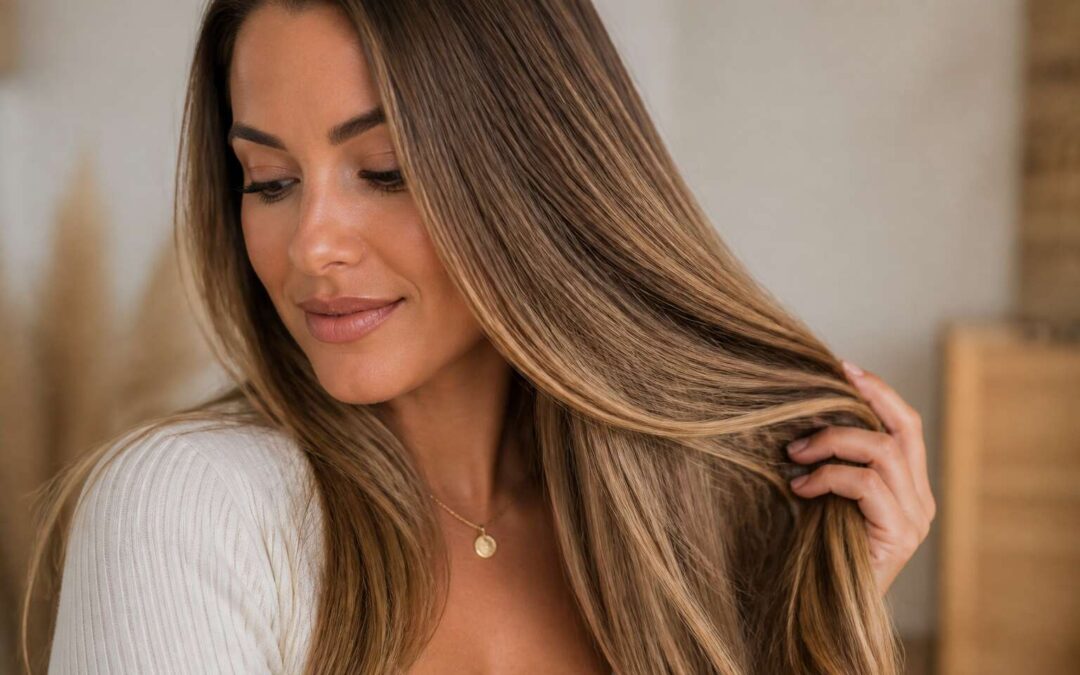
Defining Vegan Hair Extensions
What Makes Hair Extensions Vegan?
If you are exploring hair options in Durban, you have probably asked what are vegan hair extensions. The answer is direct. Vegan hair extensions are made entirely from synthetic or plant-based fibers. They contain no keratin from animal hooves, no silk from worms, and no animal-derived proteins.
Vegan status extends beyond the hair itself. The adhesives, tapes, and dyes must also exclude animal byproducts like collagen or casein. Many brands use plant-based alternatives, so checking the label is essential. Here is what to verify:
- The fiber is 100% synthetic, such as polyester or nylon.
- All bonding agents are free of animal collagen.
- No animal testing was conducted during production.
That clarity helps you recognize genuine vegan extensions versus marketing claims. Once you know these markers, the term becomes useful in your next purchase.
Core Differences from Traditional Extensions
Stylists across Durban see the same confusion every week. Clients ask what are vegan hair extensions and expect a purely ethical answer. The real difference is practical. Traditional extensions often rely on animal keratin for a silkier texture. Vegan fibers, typically polyester or nylon blends, respond to humidity and heat completely differently.
The maintenance schedules diverge sharply. Traditional installations need professional reapplication every six to eight weeks. Vegan alternatives stretch that window considerably.
- Heat styling: vegan fibers tolerate lower temperatures, while traditional hair needs intense heat to hold a curl
- Washing: synthetic strands repel oil buildup, but traditional hair absorbs product residue faster
- Cost over time: vegan sets reduce salon visits, shifting the balance toward at-home care
That is why a cheaper vegan install often outperforms a costly traditional set in Durban’s coastal humidity.
Primary Materials Used in Vegan Extensions
To answer what are vegan hair extensions, one must inspect the fiber structure. These are synthetic strands engineered from petroleum derived polymers such as modacrylic, polyester, and polyurethane. Premium brands now incorporate plant based resins like cellulose acetate, which provides body and movement while remaining animal free. I find this combination increasingly common in Cape Town salons.
The primary materials used in vegan extensions dictate their behavior. Silicone coated fibers resist humidity, a bonus in Durban’s coastal climate. Heat friendly synthetics soften at lower temperatures, enabling styling without animal keratin. Material choice also affects strand weight and curl memory, so the blend selection matters.
- Modacrylic and polyester form the base of most affordable sets
- Cellulose acetate presents a biodegradable alternative
- Silicone coatings add shine and control friction
Common Misconceptions About Vegan Hair
Three out of five Cape Town stylists tell me their clients request vegan hair extensions, yet only a handful can explain what the term actually means. So what are vegan hair extensions? They are any extension manufactured without animal products, whether synthetic or human sourced. This definition challenges the belief that vegan automatically means artificial.
A common misconception is that vegan extensions lack durability. Others confuse them with organic hair. In fact, vegan hair extensions often use human hair, which is ethically collected and free from animal keratin. The absence of animal proteins does not compromise strength. Another myth holds that all vegan strands are heat resistant; in truth, only specific heat friendly synthetics tolerate styling tools.
For South African shoppers, the difference lies in chemistry, not ethics alone. Understanding what are vegan hair extensions helps avoid mislabelled products and unrealistic expectations.
Exploring the Types of Vegan Hair Extensions
Synthetic Fiber Extensions: Features and Options
Synthetic fiber extensions offer a specific kind of allure: instant transformation without the commitment of human hair. Their polymer core, often polyester or acrylic, provides a consistent texture and vibrant color that resists fading.
Options range from heat-resistant varieties to those designed strictly for braiding. The common types include:
- Kanekalon, a soft fiber common in braiding
- Toyokalon, valued for its glossy finish
- Modacrylic blends that minimize tangling
For anyone wondering what are vegan hair extensions, synthetic versions provide an accessible option with clear trade offs in durability.
Plant-Based Protein Fibers
The first time I handled a strand of plant-based protein fiber, the texture surprised me. For anyone wondering what are vegan hair extensions, these fibers come from corn, wheat, and soy proteins, offering a softer alternative to synthetic strands. They mimic human hair with a light, breathable quality, yet they lack the glossy permanence of plastic-based options.
Common plant-based protein fiber types include:
– Corn protein fiber, which holds a gentle wave
– Wheat protein fiber, known for its lightweight drape
– Soy protein fiber, prized for its silk-like resilience
These fibers respond to humidity and require careful handling. Their beauty fades sooner than synthetic versions, but the absence of plastic means they decompose naturally. That makes them a responsible choice for eco-conscious wearers.
Recycled and Eco-Friendly Alternatives
Beneath the sleek surface of many vegan extensions lies a story of resurrection. Recycled fibers, often spun from discarded plastic bottles, offer a second life to materials that would otherwise haunt landfills. These strands carry an unexpected softness, yet they lack the breathable airiness of plant-based proteins.
- Recycled PET fiber, pulled from post-consumer bottles
- Repurposed synthetic waste, forged into durable wefts
- Low-impact dyed strands, colored without harsh chemicals
For anyone tracing what are vegan hair extensions, this category proves that cruelty-free need not demand pristine origins. I find a melancholy beauty in these fibers, each twist holding a stubborn memory of its prior form. They demand patience during styling, but reward with a rugged character that feels neither wholly natural nor purely artificial. An eerie persistence lingers in every strand.
Application Methods: Clip-Ins, Tape-Ins, and More
Each attachment method changes how the extensions behave. Clip-ins offer instant transformation, clamping onto natural hair in minutes, but they shift with vigorous movement. Tape-ins lie flatter, using adhesive strips that last several weeks, though they demand regular maintenance. Micro-ring attachments grip each strand without glue or heat, yet they require precision and patience.
- Sew-in wefts, braided into the natural hair for long term wear
- Halo extensions, resting on a transparent wire that conceals itself
- Fusion bonds, using keratin tips melted onto individual strands
This is the point where many people first understand what are vegan hair extensions. The material matters, but the method decides how the hair moves, breathes, and survives daily life. Choose poorly and the extensions betray you. Choose well and they disappear into your own silhouette.
Choosing the Right Texture and Length
Texture and length separate believable vegan hair extensions from obvious add-ons. Straight strands demand mirror-like uniformity. Wavy textures introduce movement that hides application points. Curly and coily options mirror natural shrinkage, so measured length matters more than displayed length.
A South African client with relaxed hair often chooses straight or wavy. Natural curls require denser wefts to blend at the root. Length changes the weight distribution across the scalp, which alters how long the installation lasts.
- Short and medium lengths reduce tension on delicate edges.
- Long strands need sturdier attachment points.
When you understand what are vegan hair extensions, texture and length become your control variables. They determine the final silhouette. The application method only anchors them in place.
Benefits of Choosing Vegan Hair Extensions
Ethical and Cruelty-Free Advantages
What are vegan hair extensions? They are a way to wear beauty without carrying the weight of animal suffering. For many people, the decision comes down to a quiet reflection on what we value. Choosing vegan extensions means your purchase does not fund the exploitation of animals, which brings a peace that conventional options cannot replicate.
The ethical advantage extends beyond the product. You are supporting a market that respects sentient life. Cruelty-free choices also align with principles of sustainability, though the primary benefit remains moral clarity. I find that knowing the origin of every strand changes how you wear it!
- No animal products involved
- No harm to animals during production
- A clean conscience with every style
This is a form of self-respect. When you understand what are vegan hair extensions, you realise they offer a way to express identity without compromise.
Reduced Environmental Impact
The environmental toll of conventional hair extensions is often hidden. Animal-derived strands require intensive farming, chemical treatments, and long shipping routes. Vegan alternatives place less strain on ecosystems. Many use recycled plastics or plant-based proteins that break down more readily. The result is a smaller carbon footprint from source to salon.
- Reduced water consumption during production
- Fewer chemical byproducts entering waterways
- Lower greenhouse gas emissions across the supply chain
When asking what are vegan hair extensions, the environmental answer becomes clear. These strands offer a cruelty-free path with measurable ecological benefits. In South Africa, where drought and waste press against daily life, choosing them transforms styling into a quiet act of preservation.
Hypoallergenic and Sensitive Skin Friendly
For many women, the dream of flowing hair ends in tears, not triumph. Their scalps flare with redness, itching, and irritation after traditional extensions. The culprits often hide in animal keratin proteins or harsh chemical processing. Vegan hair extensions change that equation entirely. When asking what are vegan hair extensions, the answer includes a gentler path for sensitive skin.
These strands typically skip the heavy chemical baths used to strip animal hair. Less residue means fewer triggers for contact dermatitis. The fibers, often plant based or synthetic, do not carry the same allergenic proteins found in animal hair. For South African clients with reactive skin, the relief is immediate.
Consider the specific advantages:
– No animal proteins that cross react with human skin
– Minimal chemical coatings that cause build up
– Lighter weight, reducing tension on fragile follicles
Sensitive scalps deserve the same beauty without the burning.
Cost-Effectiveness and Maintenance
When asking what are vegan hair extensions, the financial picture often surprises buyers. The initial investment may appear steep, yet the ownership cost tells a different tale. Vegan fibers withstand repeated styling without losing their luster, which means fewer replacements over the year. Maintenance remains refreshingly simple:
- a wide tooth comb for detangling
- a gentle, sulfate free shampoo every few washes
This modest care routine extends the lifespan significantly. As a result, the cost effectiveness becomes evident. You save on products, on salon appointments, and on the emotional toll of damaged extensions. For the South African woman who wants beauty without endless upkeep, these strands deliver enduring value.
Versatility in Styling and Colors
What are vegan hair extensions? They are the ultimate in styling flexibility. The color palette spans from platinum blonde to deep espresso, plus unconventional tones like rose gold and sapphire. This allows you to match any outfit or mood without touching your natural hair!
The fibers respond to curling wands and flat irons with precision, holding shape until you decide otherwise. You can also cut them to frame your face, then switch to long waves the next day. A quick list of what you can do:
- Change color intensity with heat tools
- Create braids, buns, or sleek ponytails
- Layer different shades for dimension
The versatility means one set covers every event, from formal to casual. No salon visit needed for a fresh look!
How to Select and Care for Vegan Hair Extensions
Factors to Consider Before Purchasing
You have finally decided to give your hair some va-va-voom without the ethical baggage. But here is the thing about this particular purchase: the term “vegan” often gives shoppers a false sense of security regarding durability. Understanding what are vegan hair extensions in the practical sense involves more than just reading the label. You must consider the weight of the weft and the attachment method, as a heavy set of synthetic strands can place undue tension on your natural hair, especially in the humid Johannesburg climate. A lighter density is often the smarter choice for daily wear.
Once you have made your selection, the real work begins. Caring for these pieces requires a delicate touch, as they lack the natural oils that keep human hair supple. You should wash them infrequently, using a gentle, sulfate-free shampoo diluted in cool water. When it comes to drying, resist the urge to rub. Instead, press the extensions gently with a microfiber towel to absorb the excess moisture.
– Detangle with a wide-tooth comb, starting at the tips and working upward.
– Store them on a silk hanger or in a braid to prevent tangling.
– Keep them away from high heat, as most vegan fibers will melt or frizz.
Ultimately, selecting the right pair is an exercise in self-awareness. The texture you choose should mimic your own hair’s movement to ensure a seamless blend. A glossy, uniform finish might look spectacular on the rack, but in the bright Cape Town sunlight, it can appear artificial. The best investment you can make is in the research phase, ensuring that your new accessories enhance your look rather than announce themselves to the world.
Heat Resistance and Styling Guidelines
Most vegan hair extensions warp at temperatures above 150 degrees Celsius. This is why heat resistance determines which styling tools you can safely use. When you ask what are vegan hair extensions in practical terms, the answer includes knowing their thermal limits. Synthetic fibers like Kanekalon and modacrylic react poorly to high heat. A curling iron set too high can fuse the strands into a permanent crimp. Plant based protein fibers offer slightly more tolerance, but they still demand caution. Understanding what are vegan hair extensions means respecting these boundaries.
Before styling, check the fiber type and test a hidden strand. Then follow these rules:
– Use a heat protectant spray formulated for synthetic hair.
– Set your tool to the lowest effective temperature.
– Move quickly and never hold the iron in one spot.
The relationship between heat and vegan fibers is unforgiving. A five second lapse can ruin a weft you planned to wear all summer. Treat the styling session like a precise task, not a casual routine.
Washing and Conditioning Best Practices
The lifespan of vegan hair extensions hinges on how you wash them, not how often you style them. Understanding what are vegan hair extensions in practical care terms means recognizing that each fiber type responds differently to water. Plant based protein strands require a cool rinse, while synthetic blends can tolerate lukewarm temperatures.
Conditioning demands restraint. Heavy creams leave a residue that attracts dust, especially in humid South African summers. I prefer a lightweight detangler mist applied after cleansing. The best routine follows a simple order:
- Detangle gently with a wide tooth comb before any water touches the hair.
- Wash in a downward motion using a sulfate free cleanser.
- Rinse in cool water and press out excess moisture with a soft towel.
Never wring or pile the strands. Let them air dry completely on a stand to maintain the fiber’s original shape.
Prolonging the Lifespan of Your Extensions
Selecting the right set begins with matching the fiber to your lifestyle. Understanding what are vegan hair extensions means knowing that synthetic blends can’t withstand the same heat exposure as plant based proteins. I always tell clients to consider their region first. A Johannesburg resident who styles daily needs a different material than someone in Durban who wears extensions occasionally.
After purchase, longevity depends on daily habits. A few protocols matter most:
- Store extensions flat inside a silk pouch
- Brush from the ends upward using a wide tooth comb
- Keep heat tools below the manufacturer’s safe temperature
Avoiding Common Care Mistakes
The wrong brush can destroy vegan hair extensions in minutes. I have watched Johannesburg clients ruin plant based proteins by reaching for metal combs. The fiber dictates its own care routine. Moisture content, heat tolerance, and elasticity differ across brands. When selecting, squeeze the weft and inspect for shedding. That simple test saves money.
Common care mistakes happen when you treat synthetic hair like human strands. Sleeping on wet extensions, using sulfate shampoos, and storing them scrunched in a drawer shorten lifespan. A silk pouch and a wide tooth comb solve most problems.
- Air dry extensions flat
- Skip alcohol based styling products
- Respect the heat limit
Understanding what are vegan hair extensions means respecting their synthetic nature. Once you adopt these habits, your set survives Durban’s humidity without frizzing.
When to Replace Your Vegan Extensions
Selecting vegan hair extensions starts with the weft. Squeeze it and pull a few fibers. Premium sets hold firm and shed nothing. The fiber defines its own care routine, so respect its heat ceiling.
Replacement becomes necessary when the strands lose resilience. Matting at the base or a dry, straw-like texture means the protein structure has broken down. Most sets survive three to six months of daily wear.
- Tangling returns within minutes of combing.
- The extension feels sticky after washing.
Understanding what are vegan hair extensions includes accepting their synthetic lifespan. Those signs reveal when a set has crossed its expiry.
Addressing Frequently Asked Questions About Vegan Hair Extensions
Are Vegan Extensions Less Natural-Looking?
Does choosing vegan mean sacrificing the organic flow of real hair? That depends on the fiber, not the label. Premium plant based proteins imitate the cuticle structure of human strands, producing the same luster and movement as natural hair. Synthetic options have improved, but cheaper grades can appear waxy.
Ask about the origin and manufacturing. An extension that curls, moves, and brushes like your own will pass any touch test. Consider three things when judging naturalness:
- Fiber diameter
- Color blend depth
- Root construction
A matte finish and irregular color variation make all the difference. Ultimately, what are vegan hair extensions? They are simply a different material, and nothing about that material inherently looks fake.
Can They Be Colored or Bleached?
A single bleach session can turn a durable vegan extension into a brittle tangle. The question of colouring or bleaching arises after the purchase, typically when the client wants to match a new tone. The answer depends entirely on the fibre. Synthetic strands resist traditional dyes, so colouring them requires cationic dyes made for plastics. Plant based protein fibres behave more like human hair, but they still lack the porosity for permanent bleach. Peroxide swells the cuticle and snaps the strand, especially for lighter shades. A toner or semi permanent colour is safer than a full bleach bath.
What are vegan hair extensions made for? They are designed for styling within certain boundaries. Consider these factors before reaching for the colour kit:
- Check the fibre label for colour fastness
- Use semi permanent dyes instead of bleach
- Consult a stylist familiar with vegan fibres
Darker shades and ombre blends camouflage damage better than solid pastels. Colour maintenance for vegan extensions is less about chemistry and more about restraint. Experiment at your own risk, but understand that the vegan label does not guarantee colour resistance.
Are They Suitable for All Hair Types?
The short answer is yes, but with conditions. Understanding what are vegan hair extensions helps clarify their compatibility. They come in straight, wavy, and coily textures, so matching your natural hair is possible. The real deciding factors are your hair’s density and condition.
Fine hair often needs lighter clip-ins, while thick hair supports tape-ins or wefts. Porosity matters too! Low porosity hair may not hold synthetic strands well. If your scalp is sensitive, vegan fibres are a good option because they lack animal proteins. In my experience, damaged hair needs repair before any extension works properly.
Consider these points before choosing:
- Your natural hair’s density and texture
- Scalp sensitivity and reaction to adhesives
- The weight of the extension style
What Is the Price Range and Value?
Price tags for vegan hair extensions vary wildly, from R300 for synthetic clip-ins to R4,000 for premium plant-based wefts. But what are vegan hair extensions worth in practice? The value depends on how often you style them, how long they last, and whether your scalp tolerates them.
Consider these cost drivers:
- Fiber quality and heat resistance
- Application method, tape-ins cost more than clip-ins
- Brand reputation and ethical certifications
People often ask about vegan hair extension costs over time. In my experience, a cheap set might last three months; a well-made vegan set can survive a year with care. That longevity changes the maths entirely!