
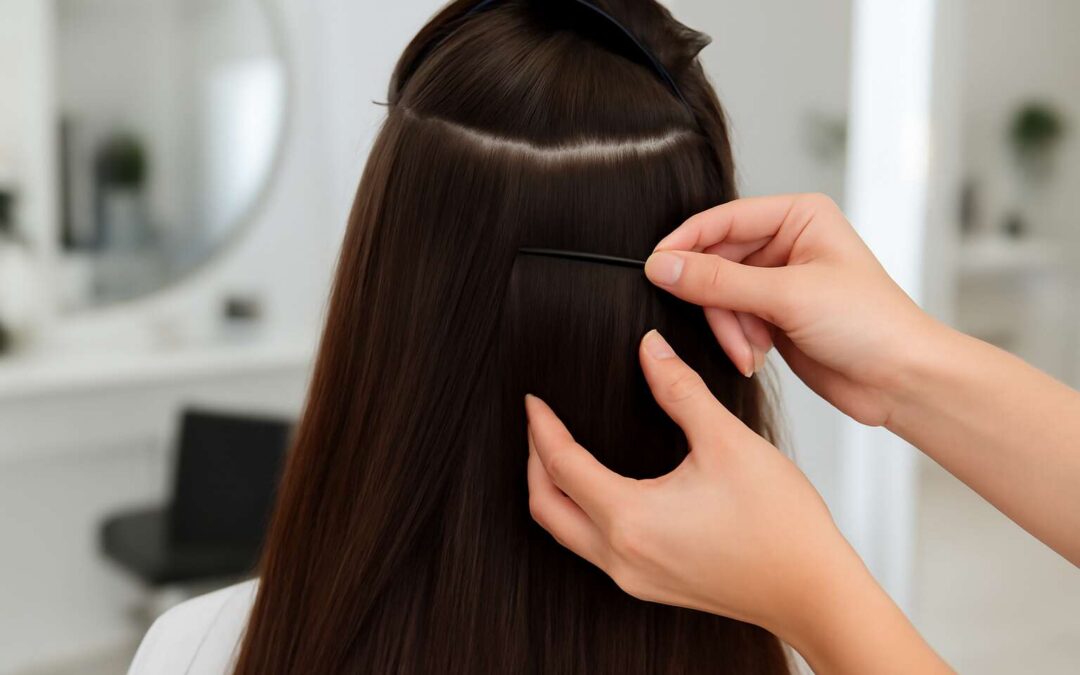
Comprehensive Guide to Hair Extensions
Section Types and Selection
Hair is the crown you wear daily, and in South Africa’s bright light, the right extensions deliver polish with practicality. For readers curious where do hair extensions fit into a curated look, I offer this guide to section types and selection—savvy, a wink of wit, and no pretentious frills.
Common section types you’ll meet in salons include:
- Tape-ins — sleek, semi-permanent options for seamless color blending
- Clip-ins — portable volume and versatility for events
- Wefted or sew-in sections — longer wear and fullness for textured hair
Beyond the type, selection hinges on texture, lifestyle, and color compatibility; the goal is harmony, not showboating. From my chair, the aim is to honor individuality with confidence—because hair should flatter you, not shout for attention!
Section Application Methods and Best Practices
Your crown deserves craft, not guesswork. A well-chosen application method grants movement, longevity, and scalp comfort. For readers asking where do hair extensions fit into a curated look, this guide explains how the method chosen supports texture, lifestyle, and color—without sacrificing health or personality.
To ensure a holistic view, consider these facets:
- Scalp health assessment and patch-test considerations
- Texture harmony and density balance in planning
- Maintenance philosophy and product compatibility for long-term wear
That blend—crafted with care—lets hair swing with a natural rhythm and invites confidence rather than showboating. In South Africa, salons prioritize scalp health and texture nuance, turning the conversation about extensions into a partnership rather than a quick fix.
Section Care and Longevity
“Movement is the true makeup of hair extensions,” a South African stylist reminds us, and the idea fuels this guide. Care and longevity with extensions hinge on a quiet, rigorous philosophy rather than a quick fix. The question where do hair extensions fit into a lasting hair plan informs this guide, weaving texture, lifestyle, and color into a durable, graceful narrative.
Viewed as a partnership rather than a routine, longevity rests on mindset as much as technique. Considerations surface as a philosophy—not a checklist—with an eye to seamless integration into daily life and seasonal styling in SA.
- Sustained moisture and a balanced protein approach suitable for extension systems
- Bond integrity and long-term compatibility with preferred products
- Color stability and finish preservation amid everyday wear
In South Africa, salons emphasize scalp health and texture nuance, turning care into a collaborative journey rather than a quick fix.
Section Buying Costs and Ethics
In a market flooded with variants—from real hair to sleek synthetics—ethics travels beside cost. A recent SA salon survey found 68% of clients say sourcing transparency shapes choice more than price. The Comprehensive Guide to Hair Extensions: Section Buying Costs and Ethics asks where do hair extensions fit into a conscious, lasting plan, weaving value and durability into one narrative.
Costs map more than price tags; they thread quality, longevity, and accountability. Anticipate upfront cost, ongoing maintenance, removal fees, and warranty terms.
- Upfront cost: high-quality extensions versus entry-level options
- Ongoing maintenance: salon visits, bond checks, color refreshes
- Ethical considerations: sourcing, labor standards, and transparent warranties
In SA, ethical buying is practice—traceability, responsible packaging, and local education that respects scalp health. The buying moment becomes a pact between client, stylist, and supplier.