
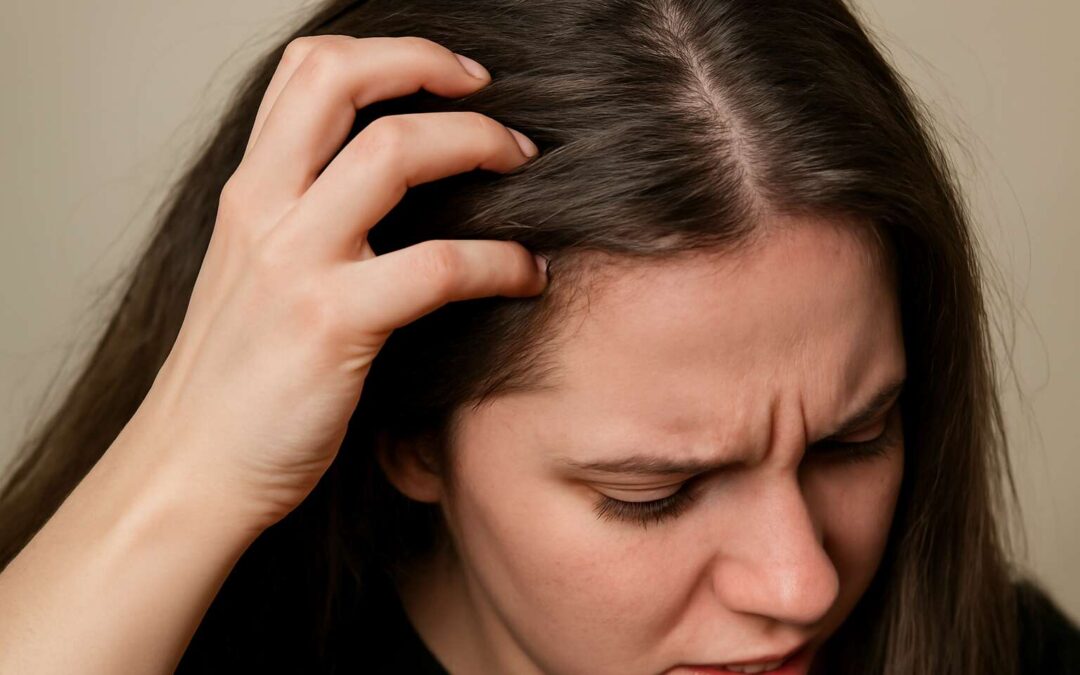
Hair extensions itchy after 2 weeks
Causes and triggers for itch after two weeks
The scalp itch blooming around week two can feel like a secret uprising beneath your tresses. If you’re wondering why hair extensions itchy after 2 weeks, the answer often hides in moisture, friction, and sensitivity to bonding agents.
Common triggers include:
- adhesive or bonding residue on the scalp
- trapped oil and sweat at the roots
- constant tension from tight wefts
- allergic reactions to glue, keratin, or metals
- bacteria or fungi thriving in damp hair
Sometimes the itch is a restless cue from the scalp rather than a crisis—signaling a shift in how the extensions interact with skin, oils, and climate!
Symptoms to watch for and diagnosis tips
An itch arriving around week two can feel like a whisper rising from beneath your tresses, a curious omen rather than a crisis. If you’re wondering about hair extensions itchy after 2 weeks, notice where your scalp hums with heat and tenderness as you comb along the rows. Some days it’s a light flutter; other times a stubborn prick that clings to the crown after a humid South African afternoon!
Watch for these signals:
- Localized redness near bond lines
- Persistent flaking or crusty patches
- Unusual warmth or swelling on the scalp
Diagnosis rests on careful observation and professional eyes: track when the itch flares, whether it clusters around certain areas, and if redness or heat lingers after washing. A trichologist or dermatologist can assess skin health, the bond method, and, if needed, conduct allergy-informed evaluation to guide care.
Prevention and scalp care routines
Scalp drama often arrives in week two with a polite whisper. ‘Your scalp deserves the same gentle treatment you brag about at the salon,’ a savvy trichologist might say. In South Africa’s heat and humidity, prevention and scalp care routines hinge on restraint: less product near the bonds, more air and calmer skin. If you notice hair extensions itchy after 2 weeks, pause and reassess before the itch becomes a headline act.
To keep the scalp calm without turning the install into a carnival, consider these safeguards:
- Bond method and fit matter more than flair
- Use lightweight, scalp-friendly products near the roots
- Gentle cleansing to respect both skin and extensions
- Schedule professional checks to monitor adhesion and skin health
With South African climates in mind, prioritize airflow and avoid heavy heat near bonds. A balanced routine preserves style and comfort, letting your hair do the talking rather than your scalp squealing.
Home remedies and professional treatments
Under the South African sun, a quiet itch can feel like a dragon nibbling at the crown. About 60% of wearers report irritation within two weeks, a reminder to treat every strand with care. When hair extensions itchy after 2 weeks, a gentle, patient response is best!
Home remedies and professional treatments offer options for soothing the surface without undoing the enchantment of the bonds.
- Sulfate-free, pH-balanced shampoos for scalp and bonds
- Pure aloe vera gel on the scalp, away from extensions
- Cool, fragrance-free scalp mist for relief
- Light, non-greasy oils at the roots only if advised, away from bonds
Professionals provide a calm, clinical counterspell; I’ve seen how adhesion checks restore comfort. Inspection of adhesion, bond status, and scalp therapies suited to South Africa’s heat and humidity. A trusted trichologist or salon technician can guide the transition back to comfort and style.