
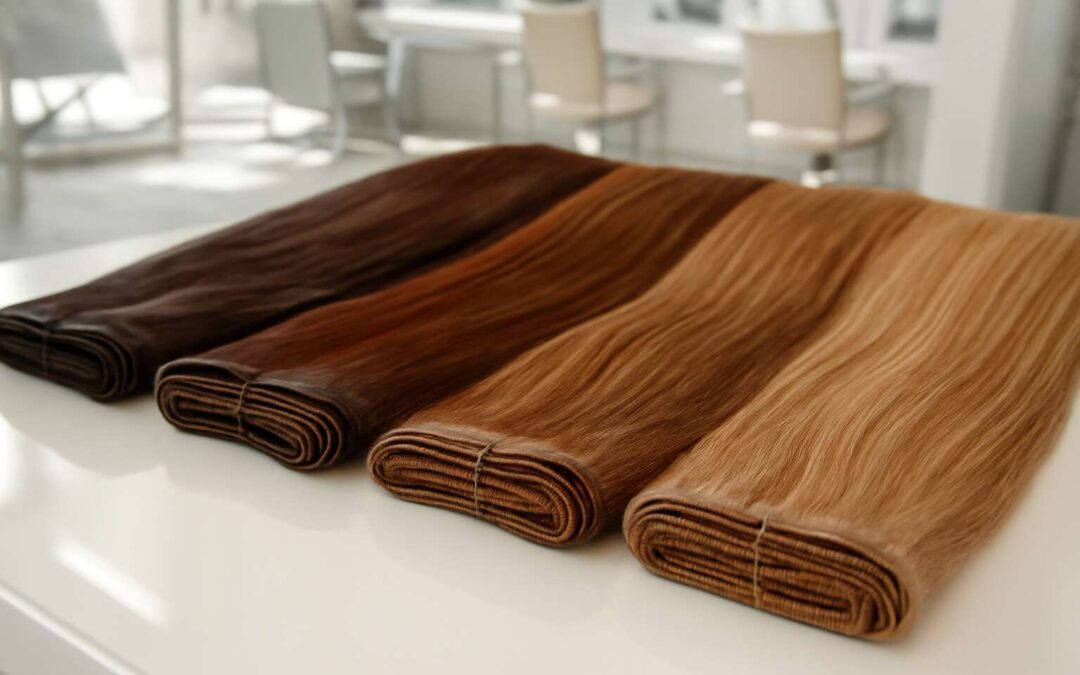
Key cost drivers behind hair extensions
Why are hair extensions expensive
In a sunlit Cape Town salon, a veteran stylist whispers a truth: “Quality isn’t cheap, and cheap isn’t quality.” That punch lands the moment clients ask why are hair extensions expensive, and the answer isn’t simple glamour alone.
Behind the price tag lie the cost drivers: hair quality, sourcing, processing, and the skill of application. Premium sets use remy or virgin human hair with aligned cuticles, a detail that matters for longevity and natural movement.
Key cost drivers to consider include:
- Hair quality and origin (Remy/virgin, ethically sourced)
- Processing and manufacturing (sorting, cuticle alignment, grading)
- Installation labour (technique, time, training)
In South Africa, import costs, VAT, and salon overheads push the price further, while customization and attachment methods shape the final quote. The payoff is longevity and a natural look that remains relevant long after the purchase.
Quality of hair and sourcing practices
“Quality isn’t cheap, and cheap isn’t quality,” a veteran stylist murmured in a sunlit Cape Town salon—an opening line that answers why are hair extensions expensive. The heart of the matter lies in the hair itself, its origin, and how it’s treated from the moment it leaves the workshop to the moment it sits on a client’s head.
- Remy or virgin hair with aligned cuticles for longevity
- Ethical sourcing and traceability from farm to salon
- Transparent processing and grading to preserve natural movement
In South Africa, these choices meet real-world costs—import duties, VAT, and salon overheads—yet they yield a look that stays natural and durable, aging with you through seasons of life.
Manufacturing and labor costs in extension production
Industry whispers: a single bundle can demand up to 15 hours of skilled labor, turning fibre into a living result. That’s part of why are hair extensions expensive—it’s not just fibre, it’s craft, time, and care embedded in every strand.
Manufacturing costs hinge on the precision and equipment that bring hair to life:
- Labor-intensive processing and skilled handwork
- Precision bonding or weaving technologies
- Rigorous quality control and safety testing
- Specialized tools and ongoing equipment maintenance
In South Africa, those costs braid with import duties, VAT, and workshop overheads, producing a price that mirrors both global labor standards and local realities. The result is a durable, natural-looking finish that ages with you—and yes, that’s part of the currency of quality.
Durability, warranties, and post-purchase support
Durability isn’t an afterthought; it’s the backbone of why hair extensions command their price. In SA, a quality set can last 6 to 12 months with proper care. In salons and studios across the country, clients invest in strands that hold color, bounce, and shape through seasons. Warranties reflect the confidence of artisans who stand behind their craft. When you see the price tag, you’re paying for long-lasting wear, minimal shedding, and the peace of mind that a good set ages gracefully with you. All of this explains why are hair extensions expensive.
Here are the anchors that justify that investment:
- Comprehensive warranties that cover wear, color retention, and shedding for a defined period
- Dedicated post-purchase support with maintenance guidance and quick-access technicians
- Accessible repair or replacement options to extend the life of the extensions
Types of hair extensions and how they affect price
Human hair versus synthetic versus blended options
In South Africa, salons report a notable uptick in extensions, a hook for the question of why are hair extensions expensive. The price hinges on the type you choose, the origin of the hair, and how it’s processed for wear. The leading categories are human hair, synthetic, and blended, each with its own rhythm of cost and performance.
Human hair offers realism, a natural fall, and longevity, often sourced from reputable donors and treated for shade stability. Synthetic options are cheaper upfront, light on maintenance, but limited in heat styling and lifespan. Blends aim to balance look and price, marrying real texture with resilient fibers.
- Realism and texture
- Durability and maintenance
- Styling versatility
- Ethical sourcing and environmental impact
Blends sit between the extremes, offering a practical compromise that softens the price without sacrificing realism, and they often appeal to clients seeking durability in a dynamic South African climate!
Remy versus non-Remy and cuticle alignment
In South Africa’s salon scene, extensions fly off the chair faster than a heatwave in Joburg, and clients ask why are hair extensions expensive—a question with teeth. The short answer: Remy versus non-Remy hair and how the cuticle is aligned, prepped, and kept wearing well.
Remy hair preserves the natural cuticle direction, reducing tangling and fade. Non-Remy often arrives with disrupted cuticles, inviting frizz and extra upkeep, which hikes price due to extra sorting and sealing.
- Remy status and intact cuticles
- Precise cuticle alignment
- Origin and processing quality
Cuticle alignment also governs heat-styling results and humidity resistance—Remy strands cope with SA climate better than non-Remy, which can shed and dull faster.
All in all, the price tag sits on a spectrum, rewarding meticulous sourcing and strand-level care across the chain.
Attachment methods and their price implications
South Africa’s salons hum like a market after rain, and the question ‘why are hair extensions expensive’ lands like a coin in your palm. The cost pivots on types of extensions and how they’re attached—their journey from scalp to shimmer, the wear time, the artistry binding every strand. When options are weighed, the truth loosens its knots with a clear, almost lyrical honesty.
- Clip-in: affordable, temporary, minimal labor
- Tape-in: balanced cost, quicker service, gentle on hair
- Sew-in/weave: higher labor, longer wear, expert hands
- Fusion/keratin bonds: premium, time-intensive, specialized skill
Choices carve the bill, but upkeep adds its own music—a maintenance schedule, removal, and cleansing rituals that extend value beyond the first fitting. In SA, the climate and salon craft reward the wise, and price reflects the care stitched into every strand.
Length, weight, and density as price modifiers
Length, weight, and density are the three price levers in the world of extensions. In South African salons, this reality lands like a verdict—the more you want, the more you pay. This is part of why are hair extensions expensive—longer strands demand more hair, more time, and more precision from the hands that bind the shimmer to your scalp!
- Length: longer lengths multiply material needs and installation time.
- Weight and density: fuller heads use more strands per track, lifting material costs and labour.
- Consistency and texture: premium grades with uniform density require careful sorting and meticulous placement, raising the price.
Length, weight, and density sculpt price, turning aesthetic ambition into tangible value that shines long after the fitting closes.
Maintenance and lifecycle cost considerations
Styling products and tools required
“Quality is patient work,” a South African salon owner in rural KwaZulu-Natal told me, and it sticks. The question ‘why are hair extensions expensive’ often hinges on long-term upkeep—how the hair holds, the fit as your own hair grows, and the care between salon visits. In both quiet farms and busy city studios, clients feel the ongoing commitment behind the price.
- Regular maintenance appointments every 6–8 weeks
- Refits or reattachments as your hair grows
- Color or root touch-ups to keep the blend seamless
- Removal and reattachment when changing styles
Styling products and tools add to the lifecycle cost but protect the investment. A quality heat protector, a sulfate-free shampoo, a deep conditioner, and a reliable, well-tended tool set—plus proper storage—keep the look intact through seasons of sun and wind.
Longevity and replacement frequency
Quality is patient work,
a South African salon owner told me, and it sticks like that stubborn strand in your hair. The price tag for extensions carries a living warranty—upkeep, growth, and the care between visits. The perennial question why are hair extensions expensive becomes clearer when you map the maintenance marathon that keeps the look pristine.
- Care routine and products
- Bond integrity and attachment method
- Growth rate and lifestyle demands
Ultimately, the cost is spread across seasons. The lifespan becomes an evolving calendar rather than a single impulse purchase. Replacement frequency varies with texture and activity—some refresh annually, others stretch longer. It’s an investment that pays off in confidence and wind-blown selfies.
Professional installation versus DIY costs
Maintenance is the quiet accountant of extensions—spend a little more now, save a lot later. The lifecycle is a slow-burning marathon: routine checks, specialized shampoos, and periodic repositioning keep the look pristine across seasons. Here in SA, those costs flex with local pricing, and you learn to budget for upkeep as a feature, not a flaw.
That’s the moment to ask why are hair extensions expensive—the answer drifts from the chair to the ledger, where professional installation versus DIY costs sit side by side with wear and tear over time.
- Professional installation guarantees secure attachment and hair health.
- DIY saves upfront costs but risks shorter lifespan.
- Regular repositioning and trims extend wear.
- Product choices and salon touch-ups add predictable costs.
Across seasons, the cost becomes a refined calendar—investment in confidence.
Coloring, customization, and salon services
Maintenance and lifecycle costs unfold like a quiet ledger that never sleeps. The look stays pristine through routine checks, periodic repositioning, and a shimming stack of specialist shampoos—small investments now that stave off bigger headaches later!
That question—why are hair extensions expensive—often lands at the chair where color and customization become the next frontier. Coloring, adjustments, and shade matching demand trained hands and premium products in salon settings.
- Coloring and customization
- Salon services and touch-ups
- Specialist shampoos and ongoing maintenance rituals
Across seasons, the total cost is a refined calendar. In SA, you budget for repositioning, trims, and occasional renewals, plus the routine upkeep that preserves hair health and gloss. It’s a feature, not a flaw, in a confident look.
Market factors shaping pricing and consumer value
Hair market supply chain dynamics
In a recent South Africa market snapshot, demand for premium, durable extensions jumped 18% year over year, reshaping price expectations and consumer value perceptions—and I hear salons whisper that long-lasting options win.
Pricing moves with hair market supply chain dynamics—sourcing origin, quality checks, logistics, and currency swings that ripple to end prices in SA salons.
Several drivers shape the final tag you see on the shelf:
- Ethical sourcing and certification add traceability costs
- Processing time, manufacturing care, and packaging elevate labor content
- Global demand cycles and currency fluctuations drive price volatility
Understanding why are hair extensions expensive helps buyers weigh longevity and investment against upfront sticker shock.
Fashion trends and demand cycles
In SA salons, premium extensions outsell budget blends by 23% this year, a sign that longer-lasting options win. So, why are hair extensions expensive? Market dynamics—from origin and quality checks to logistics and currency swings—color every price tag with a hint of risk and romance.
Fashion trends and demand cycles shape how buyers value durability and finish. When glossy looks command the spotlight, salons push price expectations and clients trade up for longevity.
- Seasonal fashion cycles
- Influencer-driven demand spikes
This interplay explains why buyers consider durability in the long game—a question rooted in timing, risk, and the premium for lasting style.
Regional pricing variations and salon competition
In SA salons, premium extensions outsell budget blends by 23% this year, a sign that longer-lasting options win. Market dynamics—from origin costs and quality checks to the tangled web of logistics and currency swings—color every price tag with risk and romance. Regional pricing variations reflect realities: urban centres with high rents and fierce competition push base prices up, while more dispersed markets prize value through volume. Currency volatility and import duties further tilt the scale, making a strand’s journey as interesting as its look.
So why are hair extensions expensive? The answer lies at the intersection of market forces and consumer value. In city clusters, competition lifts service standards and perception of exclusivity, so prices rise. In quieter regions, prices level off, but availability and logistics can push costs higher. The sticker price isn’t just for the hair—it echoes regional economics, supply-chain friction, and the premium placed on lasting style.
Ethical sourcing and certifications as premium factors
Prices in SA salons rise where longevity is prized and currency churn adds drama! In my experience, clients lean toward longer wear, rewarding quality over quick fixes. This is the truth: why are hair extensions expensive.
Market factors shaping pricing go beyond the cost of the hair. Origin costs, currency swings, import duties, and tangled logistics tilt the scale. In urban SA hubs, high rents and fierce competition push base prices upward, while more dispersed markets reward value through volume.
Ethical sourcing and certifications matter to many buyers, shaping perceived value and loyalty.
- Ethical origin verification
- Transparent chain-of-custody
- Supplier audits and fair-trade commitments