
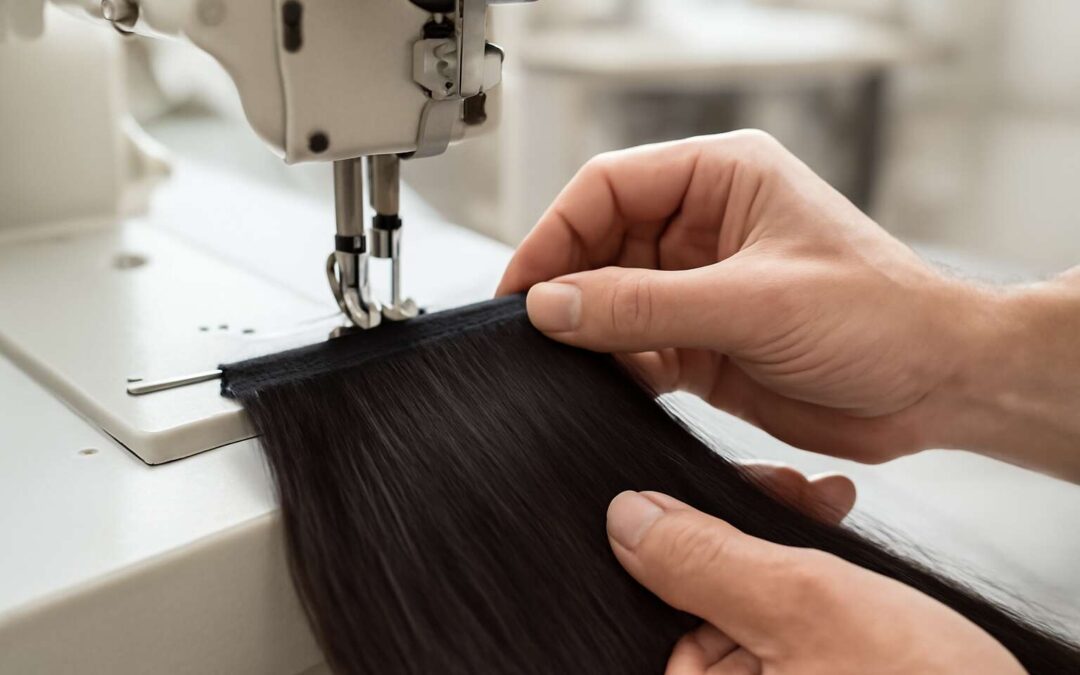
Hair Extensions Production and Market Readiness Outline
Materials and Sourcing
In the quiet corridors of the atelier, I have watched the final shimmer hide in the loom’s shadow. The question of how hair extensions are made hints at a ritual, not mere manufacture—a patient, nocturnal craft that braids science with myth.
Materials and sourcing are the heartbeat. Sinewy strands, ethical provenance, and meticulous processing knit the product from dawn to dusk.
- Virgin human hair with intact cuticles
- Ethical sourcing and traceability
- Low-chemical processing for tone and longevity
Market readiness in South Africa hinges on consistent supply, lab-tested safety, and salon-ready packaging. For salons and clients, color maps must be stable, care instructions clear, and delivery dependable to keep retailers smiling in Pretoria, Cape Town, and beyond.
Manufacturing Techniques
Patience isn’t a luxury in the studio; it is the rhythm that threads my work from raw fibre to luminous strand. A master weaver once whispered, “Patience is the real extension.” That line hovers over the loom, intense and unhurried.
To understand how hair extensions are made, follow a careful arc: strands are sorted, cleansed, and aligned to preserve cuticle integrity, then bonded or sealed with care before a final tone and gloss.
Key steps underpin the craft, tactically aligned with safety and performance:
- Sorting and grading for consistency
- Bonding or sealing with controlled heat and tension
- Final inspection and tone verification
For South Africa, market readiness hinges on a stable supply, lab-tested safety, and salon-ready packaging. Color maps must stay true under lighting, care instructions stay clear, and delivery remains dependable to Pretoria, Cape Town, and beyond.
Finishing and Quality Assurance
From raw fibre to luminous strand, the arc of production reveals how hair extensions are made: meticulous sorting, cleansing, aligning, and a controlled seal that protects every cuticle. I watch the loom of steps weave science with artistry, ensuring each strand is durable and responsive to styling.
Quality assurance steps follow a measured rhythm that guarantees performance and safety:
- Consistency across bundles and preserved cuticle orientation
- Bonding integrity under heat and tension with built-in safety checks
- Color fidelity and tactile finish verified under standardized lighting
For South Africa, market readiness depends on a steady supply chain, lab-tested safety, and packaging prepared for salon use. Color maps stay true under lighting, and courier-ready delivery covers Pretoria, Cape Town, and beyond so stylists can rely on consistent results.
Product Variants and Market Trends
Perfection is in the alignment, a pro once said. From the floor to the chair, how hair extensions are made is a precise choreography: tension, alignment, and a sealing step that respects every cuticle. In South Africa, market readiness hinges on a steady supply chain, lab-tested safety, and salon-ready packaging. Color maps stay true under lighting.
Product variants reflect real-world options and evolving salon tastes.
- Textures: straight, natural wave, and deep curly blends
- Lengths: 14–24 inches with premium longer options
- Bond types: tape-in, micro-link, and fusion for diverse applications
- Color ranges: natural browns through sun-kissed blondes and fashion tones
Market trends in SA show growing demand for discreet, heat-tolerant finishes that hold under bright salon lighting. Ethical sourcing and recyclable packaging win favour among stylists, while courier-ready kits speed service from Pretoria to Cape Town and beyond.