
Types of Adhesives Used for Hair Extensions
Keratin-based adhesives – Overview and benefits of keratin glue
When it comes to securing hair extensions, keratin-based adhesives have revolutionized the industry. Known for their natural appearance and durability, keratin glue for hair extensions offers an elegant solution that blends seamlessly with your own hair. Unlike traditional adhesives, keratin glue forms a lightweight, flexible bond that withstands daily activities without compromising comfort.
One of the standout benefits of keratin glue is its gentle removal process, which minimizes damage to both natural hair and extensions. This makes it an ideal choice for those seeking a long-lasting yet reversible attachment. Plus, keratin’s affinity for hair ensures a discreet finish, making it nearly impossible to detect the adhesive once applied.
For a clearer picture, here’s a quick overview of why keratin-based adhesives are increasingly popular in South Africa:
- Natural-looking finish that mimics hair’s own keratin structure
- Strong, resilient bond suitable for extended wear
- Easy removal process that minimizes hair damage
In the landscape of glue for hair extensions, keratin-based options stand out as a premium choice, blending science with beauty to achieve flawless, enduring results.
Specialized bonding glues – Features of salon-grade bonding agents
When it comes to securing hair extensions, not all adhesives are created equal. Salon-grade bonding agents are the secret weapon for achieving that flawless, natural look while ensuring longevity. These specialized bonding glues for hair extensions boast features that set them apart from generic options, offering a blend of strength and gentle removal that’s hard to beat.
Many professional stylists prefer these premium adhesives because they provide a resilient, yet flexible bond that can withstand daily activities—think dancing, gym sessions, or just a particularly vigorous sneeze. Moreover, salon-grade bonding glues typically contain advanced formulas that minimize damage during removal, preserving the integrity of natural hair. They also tend to be odorless and quick-drying, making the extension process smoother and less invasive.
- Exceptional adhesion strength for long-lasting results
- Gentle removal process to prevent hair damage
- Fast-drying formulas that save time in the salon chair
From classic keratin bonds to more modern, versatile options, the key to choosing the right glue for hair extensions lies in understanding these specialized bonding glues. They’re designed to deliver durability without sacrificing hair health—truly a win-win in the beauty game!
Tape-in adhesives – Characteristics and best uses
When it comes to securing hair extensions, tape-in adhesives have carved out a dedicated niche in the realm of professional hair styling. Unlike traditional glues, these adhesives are crafted for precision, offering a discreet and durable bond that seamlessly blends with natural hair. What makes tape-in adhesives stand out is their flexibility; they move naturally with your hair, making them ideal for those who want a lightweight, comfortable feel without sacrificing longevity.
Typically, tape-in adhesives for hair extensions are characterized by their quick application and removal process. They are designed to be gentle on natural hair while providing a strong, lasting hold. This makes them perfect for quick transformations or for clients who prefer a less invasive removal process. For added convenience, many tape-in adhesives are formulated to be odorless and resistant to humidity—crucial factors in South Africa’s diverse climate.
- Strong initial adhesion for secure, long-lasting extensions
- Gentle removal to protect natural hair integrity
- Quick-drying, ensuring minimal downtime in busy salons
Choosing the right glue for hair extensions, especially tape-in varieties, hinges on understanding these distinct characteristics. With the right adhesive, hair professionals can deliver seamless, natural-looking results that last, all while safeguarding the health of their clients’ natural hair!
Liquid and cream adhesives – Comparison and application tips
When it comes to choosing the right glue for hair extensions, understanding the differences between liquid and cream adhesives is essential. These two types of adhesives serve distinct purposes, each suited to specific extension methods and desired results. Liquid adhesives are prized for their fast-drying properties and ease of application, making them a favorite among professionals seeking efficiency in busy salon environments. Their thin consistency allows for precise placement, ensuring a seamless bond that remains discreet and durable.
Cream adhesives, on the other hand, offer a thicker, more viscous consistency that provides a strong, long-lasting hold. They are particularly effective for bonding thicker or more textured natural hair, as the creamy texture helps fill gaps and create a secure connection. For best results, application tips include using a small spatula to evenly spread a thin layer of cream or liquid, avoiding excess that could lead to buildup or damage over time.
- Liquid adhesives dry quickly, ideal for speedy applications and quick removals.
- Cream adhesives offer enhanced bonding strength, suitable for more demanding hair types.
Both types of glue for hair extensions require careful handling and proper technique to ensure the health of natural hair while achieving the desired aesthetic. Whether opting for the precision of a liquid or the robustness of a cream, understanding their unique features can elevate the quality of extension application in South African salons, ensuring clients leave satisfied and confident.
Factors to Consider When Choosing Hair Extension Glue
Hair extension type – Matching glue type to your extension method
Choosing the right glue for hair extensions hinges on understanding your extension type and its specific needs. Different methods demand different adhesives to ensure longevity and safety. For instance, tape-in hair extensions require a strong, yet flexible tape adhesive to prevent slippage, while keratin-based glue suits fusion extensions that need a durable bond.
Matching the glue type to your extension method is crucial. An unsuitable glue can lead to damage, discomfort, or premature extension failure. Factors like hair texture, scalp sensitivity, and the desired duration of wear all influence your choice.
Some common considerations include:
- Compatibility with extension material
- Ease of application and removal
- Residue and damage potential
Ensuring you select the appropriate glue for hair extensions not only preserves your natural hair health but also guarantees a seamless, natural look.
Duration and hold strength – Selecting adhesives based on retention needs
When it comes to choosing the right glue for hair extensions, understanding the balance between duration and hold strength is essential. The magic lies in selecting an adhesive that seamlessly blends with your lifestyle—whether you’re seeking a fleeting elegance or a long-term transformation. The retention needs of your hair extensions dictate the durability required from the glue for hair extensions. For instance, temporary styles may call for a lighter, more flexible adhesive, while extensions intended to last several months demand a more robust bonding agent.
Factors such as daily activity level, exposure to moisture, and scalp sensitivity influence your choice. A strong, long-lasting glue for hair extensions ensures secure attachment but should also be gentle enough to prevent damage during removal. Often, professionals recommend a careful consideration of the hold strength, especially when planning for different wear durations. The right adhesive acts as a silent guardian—keeping your hair extensions in place while respecting the health of your natural hair.
Hair compatibility – Ensuring gentle removal and minimal damage
Choosing the perfect glue for hair extensions is an art that balances precision with intuition. Your scalp’s delicate ecosystem demands a gentle touch, where compatibility becomes the compass guiding every decision. The ideal adhesive must embrace your natural hair, respecting its health while providing reliable adhesion. The importance of minimal damage during removal cannot be overstated—after all, your hair deserves care that preserves its vitality long after the extensions are gone.
When selecting a glue for hair extensions, consider factors like scalp sensitivity and hair porosity. Some adhesives are formulated to be kinder to sensitive skin, reducing irritation and discomfort. Others are designed for strong, long-lasting bonds—yet, even with durability in mind, gentle removal remains paramount. To navigate this delicate balance, professionals often recommend testing a small area first, ensuring the adhesive harmonizes with your hair’s unique qualities. Remember, the best glue for hair extensions is one that acts as a silent guardian—securing beauty while safeguarding the health of your natural hair.
Ease of application and removal – User-friendly options for DIY and professional use
Choosing the right glue for hair extensions isn’t merely about strength; it’s about harmony. Ease of application and removal play a pivotal role in this delicate balance. When a glue for hair extensions is user-friendly, it transforms a potentially stressful process into a moment of self-expression—whether in a salon or at home. The challenge lies in finding an adhesive that offers a seamless experience, minimizing discomfort without compromising durability.
For those who prefer DIY, the instinct to select a glue for hair extensions that is straightforward to work with can’t be overstated. A good adhesive should allow for precise placement and quick drying, reducing the risk of mess or mishaps. Equally, ease of removal is crucial — a gentle, fuss-free process that respects your natural hair’s integrity, preventing unnecessary damage. After all, your hair’s health is the foundation of lasting beauty. When considering different options, look for products with clear instructions and manageable consistency, making the entire journey from application to removal both effortless and gentle.
Safety and scalp health – Non-toxic, hypoallergenic options
When it comes to choosing the right glue for hair extensions, safety must be at the forefront of your considerations. The scalp, after all, is a sensitive canvas—prone to irritation and allergic reactions if neglected. Opting for non-toxic, hypoallergenic options isn’t just a wise choice; it’s a vital one. These formulations reduce the risk of inflammation and discomfort, transforming what could be a hair-raising ordeal into a seamless experience.
Particularly for those with sensitive scalps or allergies, the importance of reading labels cannot be overstated. Look for products free from harsh chemicals such as formaldehyde or latex, which can compromise scalp health. Instead, seek out adhesives that boast gentle, skin-friendly ingredients—your hair’s health depends on it. In the realm of glue for hair extensions, safety isn’t a luxury; it’s an imperative. After all, beautiful hair starts with a healthy scalp.
How to Properly Apply Hair Extension Glue
Preparation of hair and extensions – Cleaning and conditioning tips
Applying glue for hair extensions isn’t just about sticking strands together; it’s an art that demands precision and preparation. The first step in ensuring a seamless bond is to start with clean, residue-free hair. Oils, dirt, and product build-up are the arch-nemeses of a strong adhesive bond, so thorough cleaning with a gentle clarifying shampoo is essential. Once the hair is squeaky clean, conditioning should be minimal—over-conditioning can interfere with the glue’s ability to adhere properly.
Next, the extensions themselves require prepping to optimize the bonding process. Lightly wiping the attachment points with a specialized alcohol-based cleanser removes any residual oils or dirt, creating a pristine surface. When applying the glue for hair extensions, a thin, even layer is crucial—thick layers can lead to slippage or damage over time. Remember, patience is key: allow the adhesive to dry slightly before pressing the extension into place to achieve maximum hold.
Application tools and techniques – Using proper applicators for secure bonds
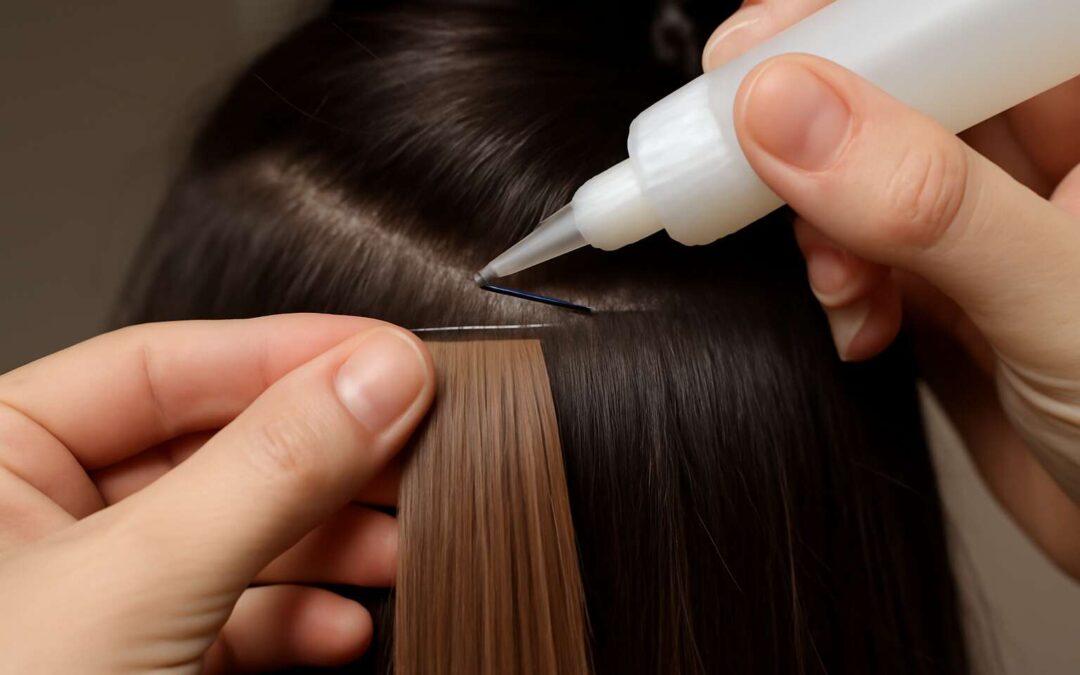
Applying the right tools for glue for hair extensions makes all the difference between a flawless look and a day of frustration. Precision applicators — whether in the form of fine-tipped bottles, brushes, or spatulas — are essential to control the amount of adhesive used. Using improper tools can lead to uneven bonds, slippage, or damage to the natural hair. When working with glue for hair extensions, a steady hand and the right applicator ensure the adhesive is applied just where it’s needed, avoiding excess that can cause buildup or discomfort.
For optimal results, some professionals prefer to use a small, pointed applicator tip for pinpoint accuracy, especially near the scalp. Others opt for a spatula or an applicator brush to spread the glue evenly across the extension’s attachment point. Remember, a thin, uniform layer is key to achieving a secure bond without risking damage. To enhance precision, consider the following:
- Clean the applicator thoroughly after each use to prevent contamination
- Work in a well-lit space for better visibility
- Apply the glue in small sections to maintain control
Patience and the right tools turn the process of applying glue for hair extensions into an art form, ensuring long-lasting, natural-looking results that don’t compromise the health of the scalp or natural hair. Choosing the proper applicators and techniques is a vital step in professional-grade extension application — it’s what turns a good application into a great one!
Drying and setting time – Optimal wait times for lasting hold
In the realm of professional hair extension application, patience is more than a virtue—it’s an essential component for achieving flawless, enduring results. The drying and setting time of glue for hair extensions isn’t merely a matter of waiting; it’s a delicate dance that determines the longevity and natural appearance of the final look. When the adhesive is given the appropriate window to cure, it forms a molecular bond that resists slippage and maintains a seamless integration with natural hair.
Typically, a high-quality glue for hair extensions requires a minimum of 24 to 48 hours to fully set, depending on the product’s formulation and environmental conditions. During this period, it’s crucial to avoid excessive moisture, friction, or tension that could compromise the bond. An optimal wait time ensures the adhesive’s active ingredients polymerize properly, delivering a secure hold that lasts—without risking damage to the natural hair or scalp.
In professional settings, some technicians prefer to schedule the full curing period before styling or washing the hair, allowing the glue for hair extensions to reach its maximum adhesion potential. The patience invested during this phase ultimately translates into natural-looking, long-lasting extensions that withstand daily activities and styling routines.
Common mistakes to avoid – Tips for a seamless and safe application
Applying glue for hair extensions might seem straightforward, but the devil is in the details. A common mistake is rushing the process—patience is paramount. When you hurriedly apply glue for hair extensions without proper preparation, it can lead to uneven bonding, slippage, or damage to natural hair. Ensuring the hair and extensions are impeccably clean and dry creates a pristine surface for the adhesive to work its magic.
Another pitfall is using too much glue. Over-application not only clogs follicles but also complicates removal later. Instead, use just enough to form a thin, even layer that adheres seamlessly. Remember, a little goes a long way with high-quality glue for hair extensions. Also, avoid touching or repositioning the extensions once bonded—this can weaken the bond and compromise the final look.
For a flawless application, follow these tips:
- Use the right tools—precision applicators help control the amount of glue used.
- Apply in a well-ventilated area to prevent inhaling fumes.
- Always test a small amount of glue for allergic reactions or scalp sensitivity before full application.
By sidestepping these common mistakes, you ensure a seamless, safe, and long-lasting extension experience. The key is finesse—every drop of glue for hair extensions should be handled with care and precision for a natural, enduring result that commands admiration.
Removal and Maintenance of Hair Extensions with Glue
Safe removal methods – Step-by-step guide to prevent hair damage
Removing hair extensions glued in with the right method can be as satisfying as a perfectly brewed cup of South African Rooibos. When it comes to the glue for hair extensions, safety and hair health should never be compromised. A common myth is that peeling or tugging is a quick fix—spoiler alert: it’s a surefire way to damage your precious strands. Instead, opt for gentle, safe removal techniques that preserve your natural hair and keep your scalp happy.
The best way to unstick hair extensions bonded with glue for hair extensions is to use a specialized adhesive remover. These solutions are designed to dissolve the glue without hurting your scalp or pulling out your roots. To do it right, follow these steps:
- Start by thoroughly detangling your hair to prevent unnecessary tugging during removal.
- Apply the adhesive remover generously at the bond line, allowing it to sit and soften the glue for about 10-15 minutes.
- Gently wiggle the extension with your fingers or use a soft, non-metallic tool to loosen the bond. Patience is key here—forcing the removal can cause damage.
- Once the extension begins to loosen, carefully slide it out, avoiding any jerky movements.
Regular maintenance and proper removal techniques not only prolong the life of your extensions but also keep your natural hair healthy and damage-free. Remember, the goal is to keep your hair looking fabulous, not sacrificing it on the altar of convenience!
Products for gentle removal – Recommended removers and solvents
Maintaining the delicate balance between stunning hair and scalp health hinges on choosing the right approach for removal and maintenance of hair extensions with glue for hair extensions. When it comes to gentle removal, the key lies in patience and precision—ripping out extensions may seem tempting, but it’s a surefire way to damage your natural strands. Instead, specialized removers and solvents are your best allies, dissolving the glue for hair extensions without causing unnecessary stress on your roots.
There are several trusted options designed specifically for the safe removal of glued-in extensions. These include enzymatic adhesive removers, oil-based solvents, and professional-grade solutions crafted to soften the bond without harming your scalp. For optimal results, apply the remover generously along the bond line and allow it to sit for 10-15 minutes. Once the glue begins to soften, gently wiggle the extension free using your fingers or a soft tool. Remember, patience is essential—forcing the process risks pulling out natural hair or causing scalp irritation.
Regular maintenance using appropriate removers not only prolongs the lifespan of your extensions but also preserves the health of your natural hair. Using the correct glue for hair extensions from the outset makes both application and removal smoother, ensuring your hair remains luscious and damage-free. With proper care, you can enjoy the glamour of extensions without compromising the integrity of your scalp or strands.
Maintaining hair health – Shampoos, conditioners, and treatments
Maintaining hair health while sporting glued-in hair extensions requires more than just careful application; it demands a strategic approach to removal and ongoing care. The right shampoos, conditioners, and treatments can make a significant difference, ensuring your natural hair remains resilient and vibrant. Using products formulated specifically for hair extensions helps prevent buildup that can weaken the bond of the glue for hair extensions and cause unnecessary stress on your scalp.
When it comes to gentle removal, patience is key. Specialized removers and solvents designed for glue for hair extensions soften the bond without damaging your natural strands. An effective routine involves applying the remover generously along the bond line and waiting 10-15 minutes, allowing the chemical to work its magic. Then, with a gentle wiggle or soft tool, lift the extension free—avoiding any harsh ripping or pulling, which can result in breakage or scalp irritation.
Regular maintenance with the right products extends the lifespan of your extensions and preserves scalp health. Incorporating gentle, nourishing shampoos and deep-conditioning treatments ensures the bond remains secure yet easy to dissolve when removal is necessary. Remember, using the proper glue for hair extensions from the beginning simplifies both application and removal, safeguarding your natural hair’s integrity while keeping your look flawless.
Reapplication tips – Preparing hair for reinstallation
When it’s time to bid farewell to your glued-in hair extensions, patience and the right products transform what could be a stressful ordeal into a gentle ritual. The secret lies in selecting high-quality, specialized removers that soften the glue for hair extensions without compromising your natural hair’s resilience. A slow, careful approach ensures your strands remain intact and healthy, preserving their natural vibrancy.
Preparing your hair for reinstallation is equally vital. Before reapplying new extensions, thoroughly cleanse and condition your scalp to remove any residual buildup of old glue for hair extensions. This step guarantees a fresh canvas, allowing the new adhesive to bond securely. Here’s a quick roadmap for preparing:
- Carefully detangle and wash your hair with gentle, extension-friendly shampoo.
- Apply a nourishing conditioner that strengthens your natural strands.
- Ensure your hair is completely dry before proceeding with reapplication.
For optimal reinstallation, consider these tips: always match the glue for hair extensions to the specific extension type and hair texture. When applying, use precise tools like applicator brushes to ensure an even, clean bond. After removal or reapplication, using a primer designed for the glue for hair extensions can enhance adhesion and prolong the lifespan of your next set.
Remember, a seamless reapplication isn’t just about the glue—it’s about respecting your hair’s health and embracing a gentle, methodical routine that keeps your locks lush and resilient. The magic of flawlessly bonded extensions begins with the right preparation and careful handling of the glue for hair extensions.
Popular Brands and Products for Hair Extension Glue
Top recommended brands – Brand reviews and reputation
When it comes to choosing the best glue for hair extensions, brand reputation matters. Top brands have built trust through consistent quality and innovative formulas. In South Africa, several names stand out for their reliability and professional results. Brands like Bondex, Lox, and Hairbond are renowned for their specialized adhesives that cater to different extension types and hair sensitivities.
Bondex, in particular, is celebrated for its keratin-based glue for hair extensions, which provides a natural look and gentle removal. Lox offers salon-grade bonding agents that promise long-lasting hold without damaging the scalp. Hairbond, a popular choice among professionals, combines strong adhesion with easy application. These brands have earned a reputation for safety and durability, making them top recommendations for both salon and DIY enthusiasts.
- Bondex — Known for its keratin-based formulas, ideal for seamless blends.
- Lox — Offers high-performance, hypoallergenic bonding agents.
- Hairbond — Trusted for its strong hold and user-friendly application.
Customer reviews and ratings – Real user feedback
Customer reviews reveal a clear pattern: the best glue for hair extensions earns high marks for both durability and safety. Many users in South Africa praise brands like Bondex, Lox, and Hairbond for their reliable performance. Bondex’s keratin-based glue, for example, is lauded for its seamless blend and gentle removal, making it a favorite among professionals and DIY enthusiasts alike.
Ratings often highlight how these brands excel in bonding strength without compromising scalp health. Users report that Lox’s hypoallergenic adhesives are particularly gentle, ideal for sensitive skin. Meanwhile, Hairbond’s user-friendly application process appeals to those new to hair extension maintenance. Here’s what popular brands for glue for hair extensions are commonly praised for:
- Long-lasting hold
- Ease of application and removal
- Minimal damage to natural hair
- Safety and scalp comfort
Real user feedback underscores the importance of choosing a trusted brand to ensure the best results. This is why quality and reputation matter when selecting the perfect glue for hair extensions in South Africa. Reliable brands like Bondex, Lox, and Hairbond continue to lead the market, backed by positive customer ratings and consistent performance.
Price range and value – Affordable vs. professional-grade options
Quality doesn’t always mean expensive, but when it comes to glue for hair extensions, investing in the right product can make all the difference. South African salons and DIY enthusiasts alike often find a wide price range, from affordable options to professional-grade adhesives, catering to every budget. While budget-friendly glues might seem tempting, they can sometimes lack the durability or safety features found in more premium brands.
For those seeking trusted brands, the market offers reliable choices like Bondex, Lox, and Hairbond. These brands balance value and performance, providing products that are affordable yet effective. Here’s a quick overview of what you might expect:
- Bondex’s keratin-based glue offers seamless blending and gentle removal, making it popular among professionals.
- Lox’s hypoallergenic adhesives are ideal for sensitive scalps and everyday wear.
- Hairbond’s user-friendly applications appeal to beginners and seasoned users alike.
Choosing the right glue for hair extensions depends on your needs—whether it’s long-lasting hold or ease of removal. Both affordable and professional-grade options are available, ensuring you find a product that fits your budget without compromising quality or safety. Reliable brands continue to dominate the market in South Africa, earning high ratings and positive customer reviews for their consistent performance and scalp-friendly formulas.
Safety Tips and Precautions When Using Hair Extension Glue
Patch testing for allergies – How to conduct allergy tests
When it comes to applying glue for hair extensions, safety should always be the top priority. Allergic reactions to certain adhesives can occur, even among those with sensitive skin. Conducting a patch test before full application is a simple yet crucial step to prevent unwanted reactions. A patch test involves applying a small amount of the glue for hair extensions on a discreet area of your skin, such as behind the ear or on the inner wrist, and waiting 24 to 48 hours to observe any adverse effects.
If you notice redness, itching, or swelling, it’s a clear sign to avoid using that particular adhesive. Remember, not all glues for hair extensions are hypoallergenic, so choosing products specifically labeled as non-toxic and gentle is advisable. By investing a little time in allergy testing, you can safeguard your scalp and overall hair health, ensuring a seamless extension experience without unnecessary discomfort or damage.
Ventilation and workspace safety – Creating a safe application environment
Creating a safe environment when applying glue for hair extensions is not just about comfort; it’s an act of respect for your own wellbeing. Ventilation is often overlooked, yet it plays a pivotal role in preventing the buildup of fumes that can cause dizziness or irritation. Ensuring your workspace is well-ventilated transforms a routine beauty procedure into a conscious ritual of self-care.
Always work in a space with ample airflow—opening windows or using a fan can make a significant difference. Additionally, organizing your workspace minimizes accidental spills and mishaps that could compromise safety. Remember, the glue for hair extensions is formulated to bond securely, but it’s equally important to handle it with care, avoiding skin contact and inhaling fumes unnecessarily.
- Choose a dedicated area for application that is free from clutter and drafts.
- Wear protective gear, such as gloves and a mask if necessary, to avoid direct contact or inhalation.
- Keep all tools and products within reach but organized to prevent accidents.
By paying attention to your workspace safety and ventilation, you not only protect your health but also ensure that your hair extension experience remains enjoyable and stress-free. The integrity of the adhesive—be it a premium keratin-based glue or a specialized bonding agent—depends on the environment in which it’s applied. Safety isn’t just a precaution—it’s a vital component of the artistry involved in hair extension application.
Signs of adverse reactions – What to watch for and immediate steps
Handling glue for hair extensions demands more than just precision—it calls for vigilance rooted in respect for your own wellbeing. Adverse reactions, while rare when properly managed, can manifest suddenly, turning a routine procedure into a distressing ordeal. Signs such as persistent itching, redness, or swelling on the scalp are red flags that should never be ignored. Immediate steps involve gently removing the extensions and thoroughly rinsing the area with cool water, then consulting a professional if symptoms persist. Awareness of these warning signs safeguards not only your scalp health but also preserves the integrity of your hair.
It’s wise to remember that safety precautions aren’t just about avoiding mishaps—they are about honoring the trust you place in the glue for hair extensions. Wearing gloves and working in a well-ventilated space can prevent unnecessary inhalation of fumes or skin contact. Should any discomfort arise during application—such as burning sensations or dizziness—discontinue use instantly. Your body knows best; listen to its signals, and treat any adverse reactions as urgent signals that your environment or product choice needs re-evaluation.